
Blog
The Garage Door Your Lakeland House Came With
Lakeland homes built 1966-1999 often have garage doors with no insulation layer at all. Here's what that means for this area's mild but humid climate.
Doing Nothing For Now
If your door still opens and closes and the panel isn't bent, doing nothing is a legitimate choice. Most houses in this part of Polk County were built between 1966 and 1999, with the median landing around 1986, and a lot of those original doors are still hanging on. A single steel skin with no foam core doesn't fail on its own just because it's old. It fails when a roller wears out, a spring breaks, or a panel gets backed into. Until one of those things happens, there's no job to do and no reason to pay for one.\n\nWhat changes the math is if you're using the garage as a workshop, a gym, or storage for anything that minds temperature swings. A single-skin door built to 1980s spec does almost nothing to buffer heat. That's a comfort decision, not a safety one, and only you can weigh whether it's worth the cost now versus later. We won't tell you to replace a door that still works just because it's thirty-some years old.
What the Weather Here Does to It
Lakeland sits in a mild temperate band, so we're not dealing with hard freezes that crack old hardware the way colder climates do. The bigger factor is humidity and heat cycling, day after day, year after year. A hollow steel door with no insulation layer flexes more as it heats up in the sun and cools at night, and over three or four decades that flexing works on the seams, the track alignment, and the weatherstripping at the bottom.\n\nHouses from the 1980s and 90s stock across this area were built to codes that didn't require a thermal break or an insulated core on the garage door itself - that requirement came later. So the humidity doesn't rot the door, but it does find every gap where the stripping has gone stiff, and that's usually where water tracks in along the bottom panel after a heavy rain. It's a slow problem, not a dramatic one, which is exactly why it gets ignored until the bottom few inches of the door are visibly rusted through.
The Situation
Across the 25 or so named areas in this service territory - from Combee Settlement and Crystal Lake close in, out to Kathleen, Medulla, and Highland City - the housing stock runs heavy 1980s and 90s construction. That means a lot of garage doors out there are original or close to it: single-layer steel, no insulation, steel tracks and hardware sized for a lighter door than what's sold today.\n\nThe situation isn't an emergency. These doors were built for the climate they're in and most have held up fine. What catches people off guard is when they finally replace the opener or add a spring, and the installer points out that the door itself is rated for hardware that doesn't match current opener specs, or that the panel is too light to safely carry a modern insulated retrofit kit. That's the moment the age of the door actually matters - not before.
What to Check
Walk out and look at the bottom panel first. If the steel is thin-gauge and uninsulated, you'll often see slight rust bubbling at the bottom edge, especially on doors facing south or west toward direct sun. Check the weatherstripping along the bottom and sides - if it's cracked or compressed flat, that's original material doing its last work, not a sign the whole door needs replacing.\n\nNext, check how the door feels when you lift it by hand with the opener disconnected. A heavier-than-expected lift usually means the springs are original to a lighter door and have lost tension over the decades. Last, look at the track mounting - on houses from this era it's often bolted straight to original studs without the shims later code revisions call for. None of this means urgent replacement. It means knowing what you're working with before a spring lets go on a Saturday.
Questions
Common questions
Is my garage door too old to repair?
Not necessarily. A single-skin steel door from the 1980s or 90s can still be repaired - springs, rollers, and weatherstripping are all serviceable parts. The door becomes a replacement case when the panel itself is rusted through or bent, not simply because of its age.
Does Lakeland's climate damage uninsulated doors?
Not the way a freeze-thaw climate would. The mild temperate conditions here mean the steel doesn't crack from cold, but humidity and heat cycling do wear out weatherstripping and can let water track in at the bottom panel over time.
Should I add insulation to my original garage door?
It depends on how you use the garage. If it's just for parking, the comfort gain is small. If you use it as a workshop or storage space for heat-sensitive items, an insulated retrofit kit or replacement door makes a real difference here.
Recommendation
You Might Also Like
More garage door guides for Lakeland homeowners.
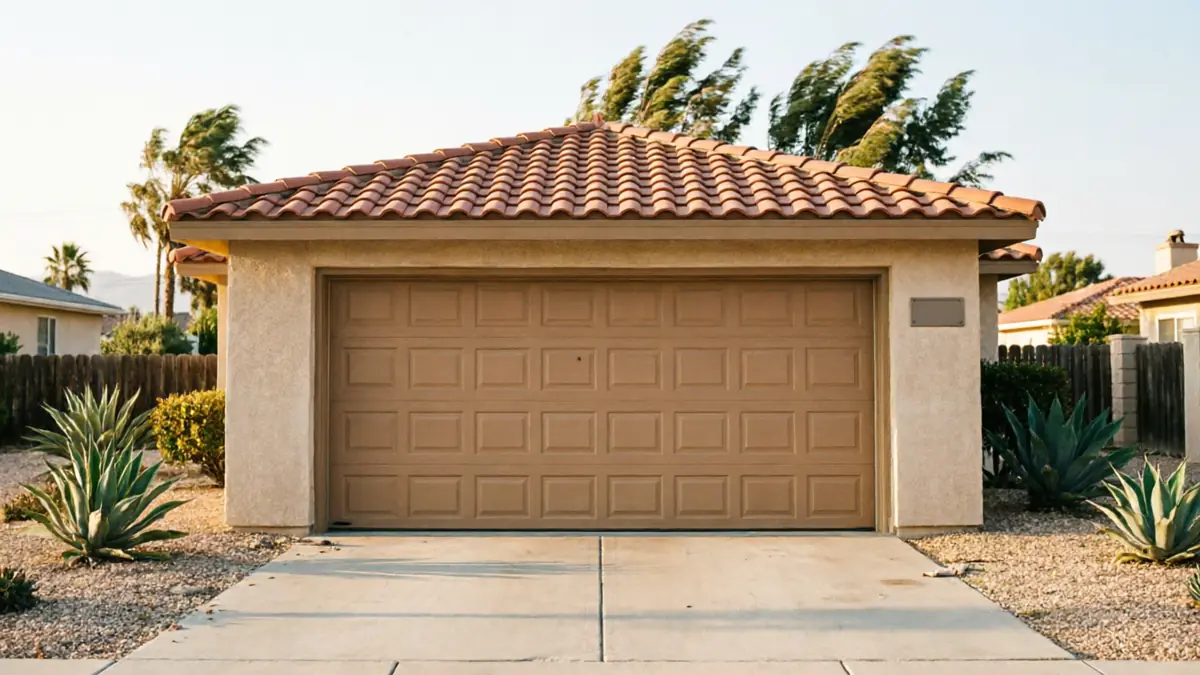 What a Service Call Actually Covers in Lakeland
A look at what we actually check on a Lakeland service call, tied to the 1966-1999 housing stock and mild-but-humid local climate that shape most repairs here.
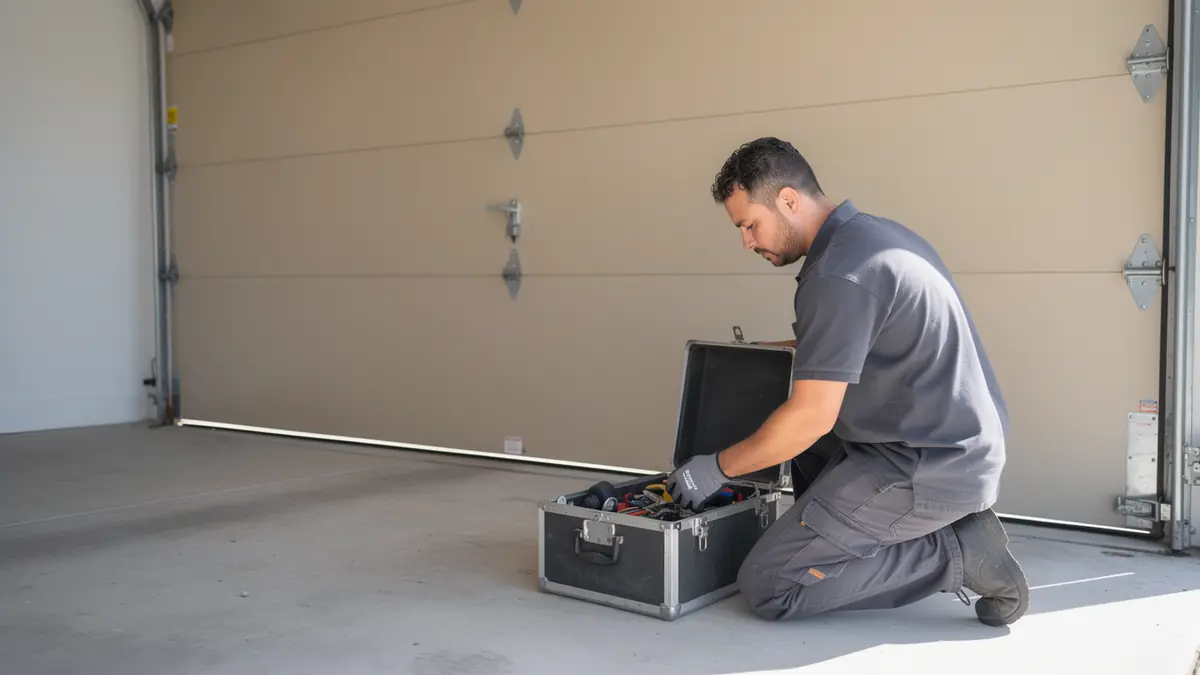 What That Noise From Your Garage Door Is Telling You
A grinding, popping, or screeching garage door in a Lakeland-area house built in the 1980s or 90s usually points to one of a few aging parts, not a mystery.
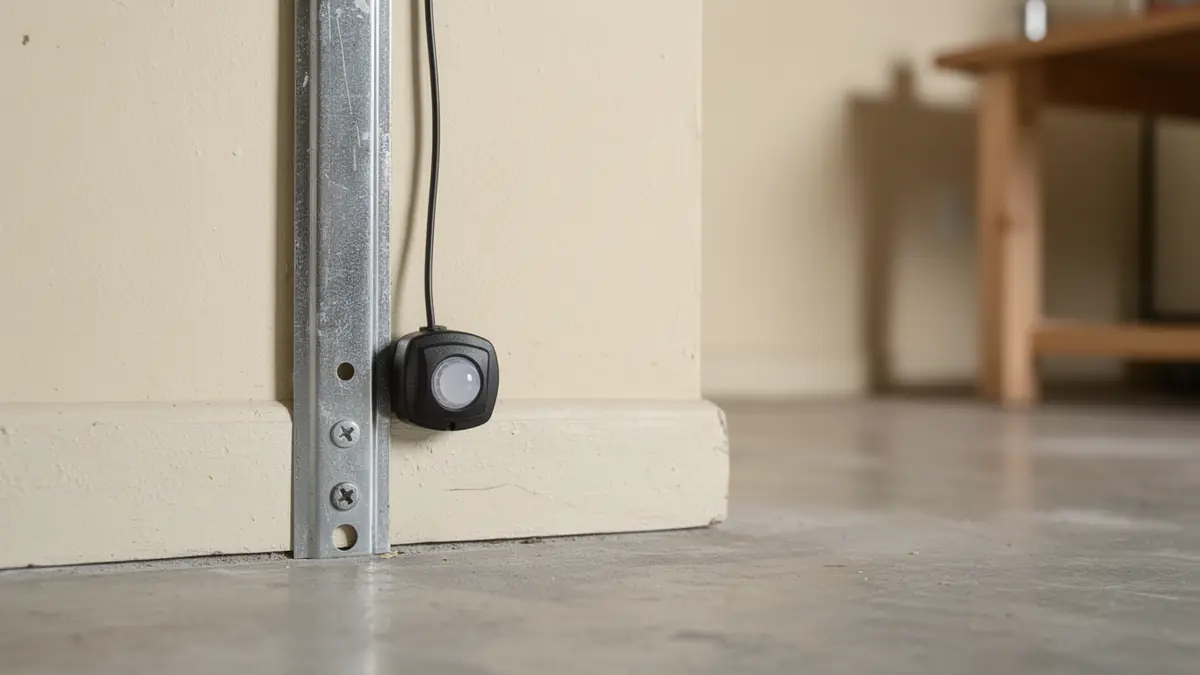 When a Spring Goes in Cold Weather in Lakeland
Lakeland's mild climate rarely sees hard freezes, but when a spring goes in cold weather here it's usually one that was already near the end of its life.
Ready when you are
Need a garage door sorted in Lakeland?
Lakeland Garage Door Co repairs and installs garage doors, springs and openers in Lakeland, FL and the surrounding area.