
Blog
Weather Seals and Draughts on Lakeland Garage Doors
How Lakeland's mild climate and 1966-1999 housing stock affect garage door seals, and what draughts around the panel actually mean for your door.
Doing Nothing For Now
Most garage doors in this part of Florida don't fail from one dramatic storm. They fail slow, from a bottom seal that's been letting in air and water for a couple of years while nobody looked twice. If your door still opens and closes clean, and the draught you feel is only along the bottom edge, you can leave it alone for a bit. A cracked or flattened bottom astragal is a $20-30 part on most sizes, and it's not urgent the way a broken spring is.
What changes that math is the age of the house. A lot of Lakeland's stock went up between 1966 and 1999, with the bulk of it in the 1980s and 90s across the named areas around town - Crystal Lake, Medulla, Highland City, and the rest. Doors from that era were built to a different sealing standard than what's sold today, and the track and jamb fit on them is often looser to begin with. On a door that age, doing nothing for now is fine. Doing nothing for another five years usually means replacing the whole bottom section instead of a seal.
One honest note: if the gap you're feeling is at the sides or top of the door rather than the bottom, that's not a seal problem at all - it's usually the door not sitting square in the track, and no amount of new weatherstrip fixes it.
What the Weather Here Does to It
Lakeland sits in a mild temperate band - no hard freezes to crack rubber seals overnight, no deep cold to shrink the vinyl and pull it off the track the way it does further north. That's the good news, and it's why a lot of homeowners here never think about seals until they feel a draught on their legs standing in the garage.
The trade-off is humidity and heat cycling, not cold. A mild climate still means regular swings between hot afternoons and cooler, damp mornings, and that cycling is what dries out and hardens vinyl weatherstrip over time, even without freezing. The seal doesn't crack from cold here - it goes stiff and shrinks slightly from UV and repeated expansion, then stops making full contact with the slab. That's the draught you feel, and it's also how water finds its way under the door during a hard rain.
Because there's no freeze-thaw cycle to blame, a lot of people here assume a loose seal means something's wrong with the door itself. Usually it doesn't. It just means the rubber did what rubber does after a few years in this climate, and it's due for a swap.
The Situation
Across the service area there are 44,232 owner-occupied houses out of roughly 84,289 households, and with median household income at $59,346, a full door replacement isn't something most people budget for casually. That's part of why seal and weatherstrip work matters here - it's the cheapest way to hold the line on a door that's structurally fine but losing its seal.
Given that most of the housing stock dates to 1966-1999, median around 1986, a big share of the doors in neighborhoods like Fussels Corner, Kathleen, and Willow Oak are either original installs with retrofitted openers, or a first replacement door put in sometime in the 2000s. Either way, the weatherstrip channel on a door that old is often a slightly different profile than what hardware stores stock today, which means the retrofit kit doesn't always seat cleanly without some trimming.
The practical situation: a draught on a door this age is rarely a sign you need a new door. It's a sign the $20-40 part that was never replaced is finally due, and on a house built in this window, that part may not be a straight off-the-shelf fit.
What to Check
Start at the bottom. Run your hand along the bottom seal with the door closed - if you can feel air or see daylight in spots, the astragal has flattened or torn and needs replacing, not patching.
Next, check the side and top seals where they meet the jamb. On older stock from the 1980s-90s era common across this area, these are often the original rigid strips, not the flexible kind sold now, and they go brittle rather than soft. Brittle strips crack at the fasteners first, so look there.
Then look at the bottom corners of the panel itself for water staining or soft spots. In a mild climate like Lakeland's, this is a slower process than it would be somewhere with real freeze cycles, but moisture that gets past a failed seal and sits in a corner for a season still does damage.
Last, check that the door is sitting flush in the track when closed - push gently on each side. If one side sits noticeably forward, no seal will fix the draught; that's a track or roller issue, and it's worth a call rather than another trip to the hardware store.
Questions
Common questions
Why does my garage door feel draughty even though Lakeland doesn't get cold winters?
Cold isn't what wears out a seal here. Lakeland's mild temperate climate still puts seals through daily heat-and-humidity cycling, which hardens and shrinks vinyl weatherstrip over a few years. The seal loses contact with the slab gradually, so you feel a draught without any freeze damage to blame.
Is a draught a sign I need a new garage door?
Usually not. Most draughts come from a worn bottom seal or side weatherstrip, both inexpensive parts. Given how much of Lakeland's housing dates to 1966-1999, many doors are structurally sound originals or first replacements that just need new seals, not full replacement.
Will a generic hardware store seal kit fit my older door?
Not always cleanly. Doors built during Lakeland's main construction era, the 1980s and 90s, sometimes used a slightly different weatherstrip channel profile than what's sold today. The kit may need trimming or a different retainer to seat properly.
Recommendation
You Might Also Like
More garage door guides for Lakeland homeowners.
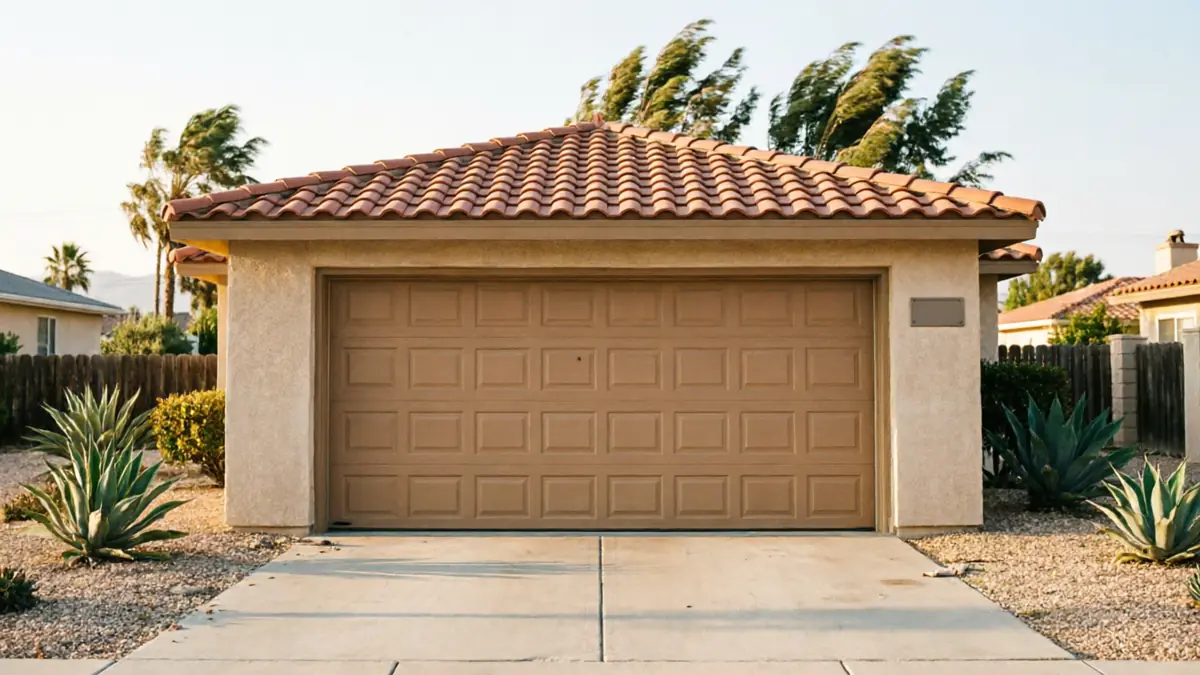 Why a Garage Door Goes Off Track in Lakeland
Lakeland's 1980s-era housing and mild climate mean off-track doors here usually come from worn rollers or a bent rail, not weather.
What a Service Call Actually Covers in Lakeland
A look at what we actually check on a Lakeland service call, tied to the 1966-1999 housing stock and mild-but-humid local climate that shape most repairs here.
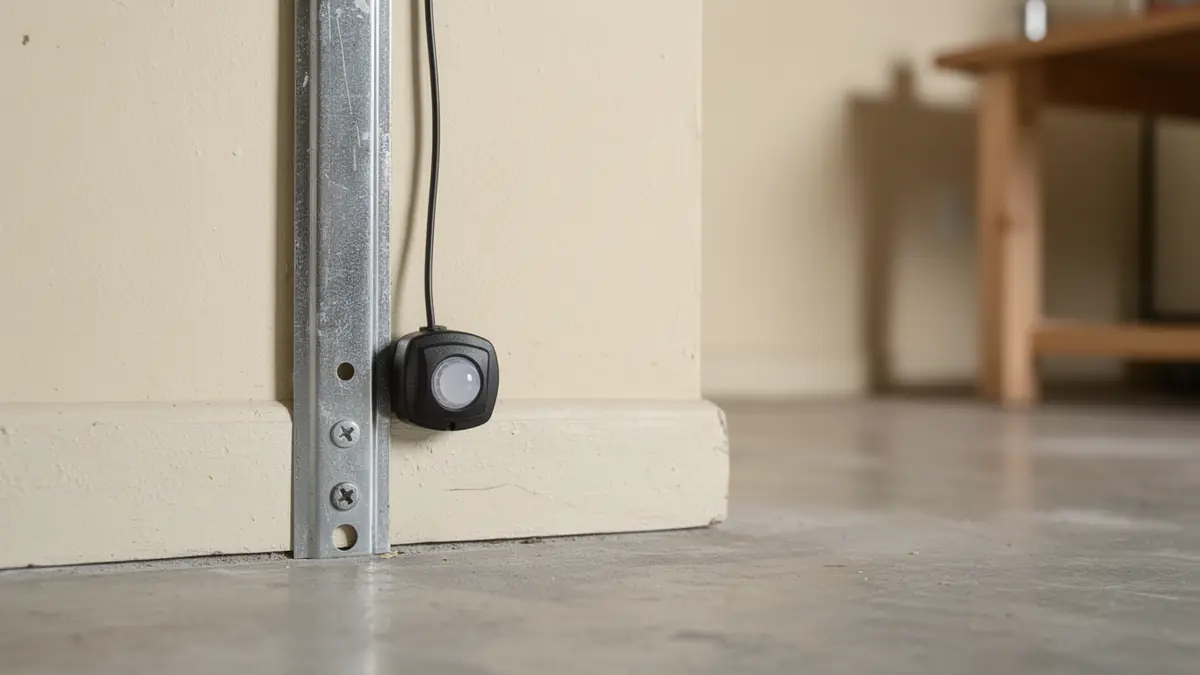 When a Spring Goes in Cold Weather in Lakeland
Lakeland's mild climate rarely sees hard freezes, but when a spring goes in cold weather here it's usually one that was already near the end of its life.
Ready when you are
Need a garage door sorted in Lakeland?
Lakeland Garage Door Co repairs and installs garage doors, springs and openers in Lakeland, FL and the surrounding area.