Blog
What That Noise From Your Garage Door Is Telling You
A grinding, popping, or screeching garage door in a Lakeland-area house built in the 1980s or 90s usually points to one of a few aging parts, not a mystery.
Doing Nothing For Now
Most houses around here - Combee Settlement, Crystal Lake, Highland City, the streets near Downtown - went up between 1966 and 1999, with the typical build year landing around 1986. That means a lot of doors in this service area are running on hardware that's been through thirty-five to forty-five years of daily cycles. When a door starts making noise, the instinct is to wait it out. It still opens, so it's fine.
The trouble with waiting is that the noise is rarely the actual failure. It's the sound of the failure getting closer. A torsion spring rated for a certain number of cycles doesn't give much warning before it lets go - it goes from "a little loud" to "snapped" without a long middle stage. On a house built in the mid-80s that's never had the springs swapped, you're well past the point where "it still works" tells you anything useful about how much life is left.
We're not saying every squeak means a $400 repair. Plenty of noise is cheap to fix. But on a door this age, the smart move is figuring out which kind of noise you have, not hoping it goes away.
What the Weather Here Does to It
Lakeland sits in a mild temperate band - we don't get the deep freeze-thaw cycling that cracks metal and seizes bearings in colder states. That's good news for the door itself. It's not a pass on maintenance, though. Mild and humid does its own kind of damage: factory grease and lubricant break down and wash thin over the years, and bare steel on tracks, hinges, and spring coils starts to pick up surface rust faster than owners expect, especially on doors that haven't been lubricated since they were installed.
That rust is a common source of the grinding or scraping sound rollers make moving through a track, and it's also behind a lot of the stiff, hesitant feel some openers fight against before they ever get noisy. We don't have local storm or humidity data specific enough to put a number on it, so we won't pretend to. What we can say is that in a climate like this, it's corrosion and dried-out lubrication wearing on moving metal parts - not a once-a-decade cold snap - that you're dealing with.
The Situation
On a door original to a house built in the 1980s or 90s, a few things are usually happening at once. The torsion spring's galvanized coating has worn thin from thousands of cycles, and bare steel coils rubbing against the spring cone make that popping or clicking sound as the spring lifts and lowers. Rollers - especially the older nylon or steel ones that came standard back then - develop flat spots or cracked bearings, which shows up as a rhythmic thump every few feet of travel.
Hinges loosen where the screws have worked themselves out of softwood jambs over decades of vibration, giving you that metal-on-metal screech right at the panel seams. And on doors that have sat with the same opener chain or belt since installation, a slack chain slapping the rail is a different sound entirely - more of a rattle than a grind.
The honest limitation here: noise alone doesn't always tell you which part is failing, especially once more than one of these is happening at the same time, which is common on a door this old. Past a certain point, sound-only diagnosis is a guess, and we'd rather look at the door than guess.
What to Check
Before you call anyone, a few things you can check yourself. Run the door with the garage light off and your phone flashlight on the track - look for rust streaks or flat spots on the rollers as they pass. Grab each hinge and see if it wiggles in the panel; loose hinges are a five-minute fix, not a replacement job. Listen for whether the noise happens on the way up, the way down, or both - a spring problem usually shows up hardest on the way down, when the spring is doing the lifting work in reverse.
Check the chain or belt for slack by pulling down gently on it between the opener and the rail; more than an inch of give usually means it needs tightening. And look at the spring coils themselves, if you can see them safely from the ground - gaps between coils or visible rust pitting are a sign of a spring near the end of its life, not just a squeaky one.
If you're in the Lakeland area and want a second opinion on what you're hearing, you can reach us through the site.
Questions
Common questions
My garage door started grinding out of nowhere. Is that an emergency?
Grinding usually means metal-on-metal contact, often rollers with worn bearings or a track that's lost alignment. It's not always urgent, but it won't fix itself and tends to get louder and more expensive the longer it runs. If the door still opens and closes smoothly otherwise, you likely have a day or two to get it looked at, not an hour.
Is it normal for an older door in Lakeland to get noisier over time even without storm damage?
Yes. In this mild, humid climate, factory lubricant thins out and surface rust builds gradually on tracks, hinges, and spring coils even with no single weather event to blame. On a door original to a house built in the 1980s or 90s, gradual wear is the more common cause of new noise than any sudden cause.
Can I just spray WD-40 on everything that's making noise?
WD-40 is a solvent, not a lubricant, and it can wash out grease that's already there, making things worse within weeks. A silicone or lithium-based garage door lubricant on hinges, rollers, and the spring coils does more good. Either way, lubricant won't fix a cracked roller or a worn-out spring - it just quiets things down temporarily.
How do I know if it's the spring and not just the rollers?
Rollers tend to make a rhythmic thump or squeak timed to the door's travel, worse in certain spots on the track. A spring issue shows up as popping or clicking near the top of the door, usually most noticeable on the way down, and often comes with the door feeling heavier or less balanced than it used to.
Recommendation
You Might Also Like
More garage door guides for Lakeland homeowners.
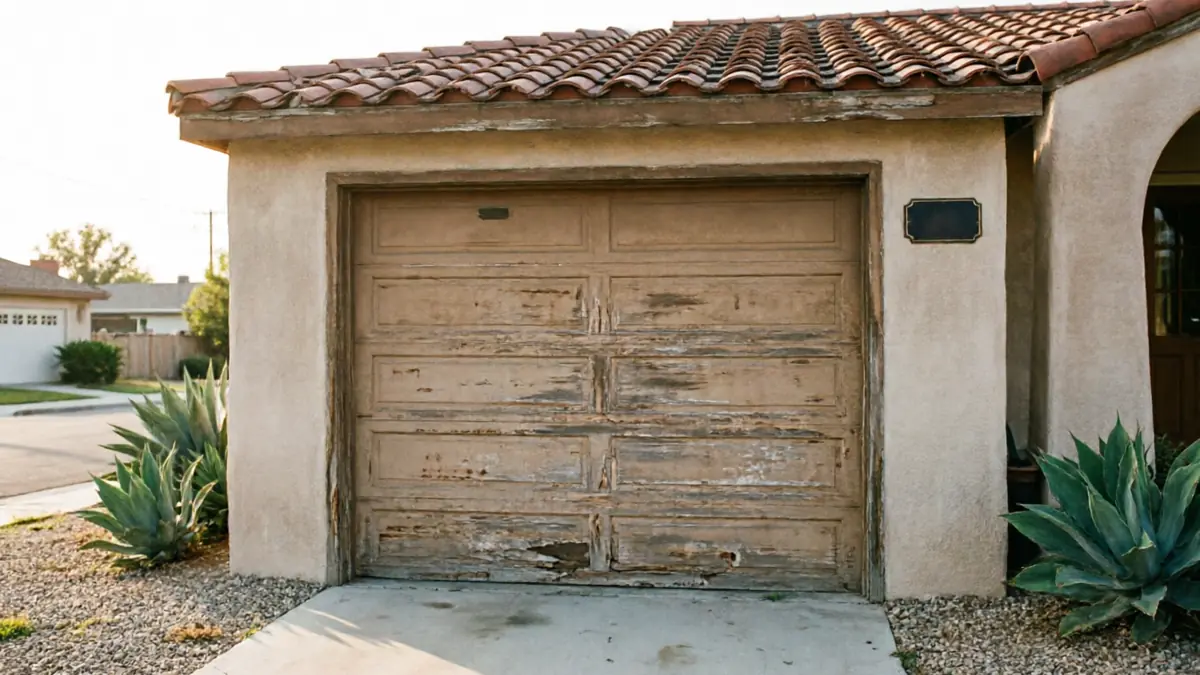 The Garage Door Your Lakeland House Came With
Lakeland homes built 1966-1999 often have garage doors with no insulation layer at all.
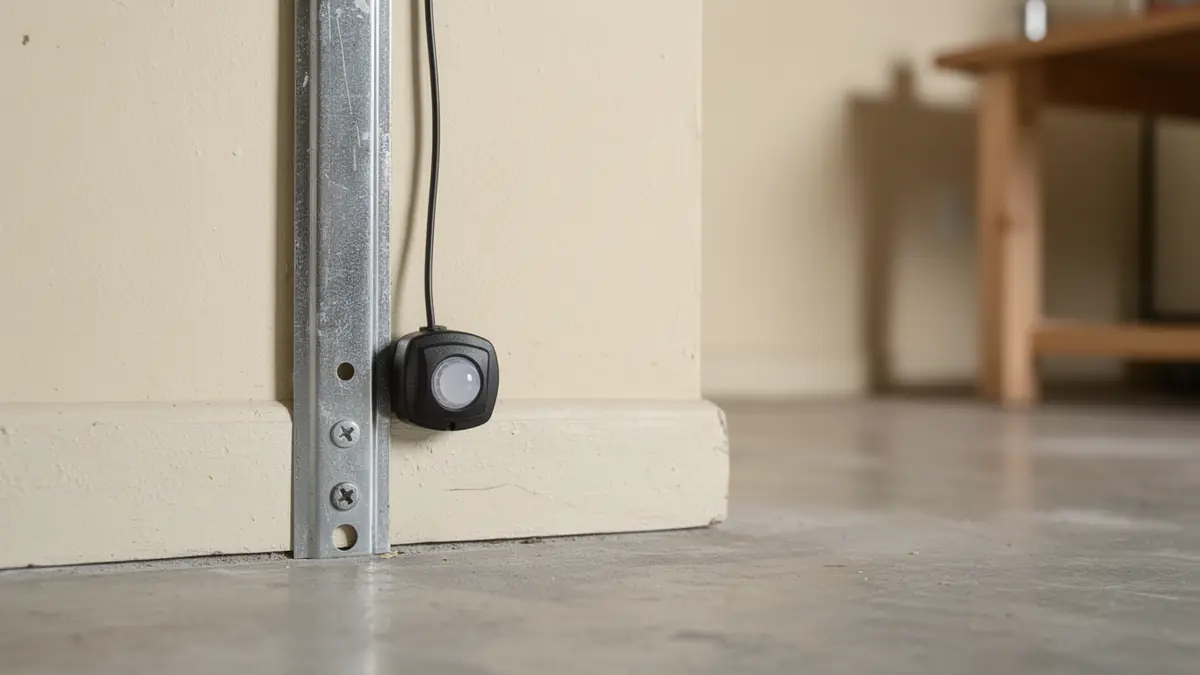 When a Spring Goes in Cold Weather in Lakeland
Lakeland's mild climate rarely sees hard freezes, but when a spring goes in cold weather here it's usually one that was already near the end of its life.
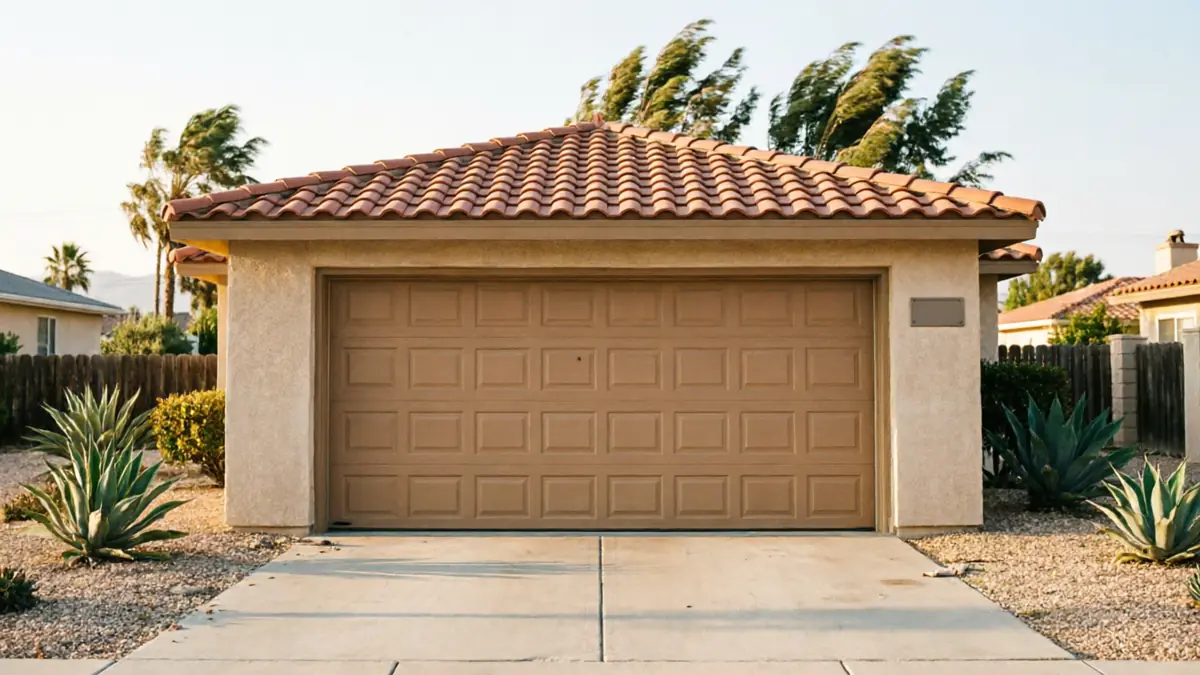 Why a Garage Door Goes Off Track in Lakeland
Lakeland's 1980s-era housing and mild climate mean off-track doors here usually come from worn rollers or a bent rail, not weather.
Ready when you are
Need a garage door sorted in Lakeland?
Lakeland Garage Door Co repairs and installs garage doors, springs and openers in Lakeland, FL and the surrounding area.