Nylon roller swaps
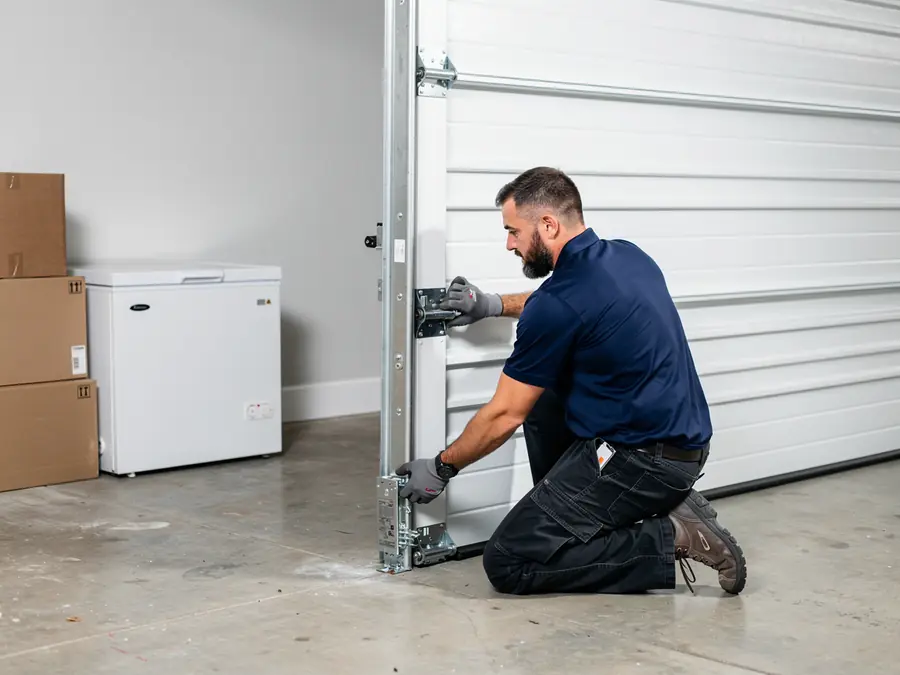
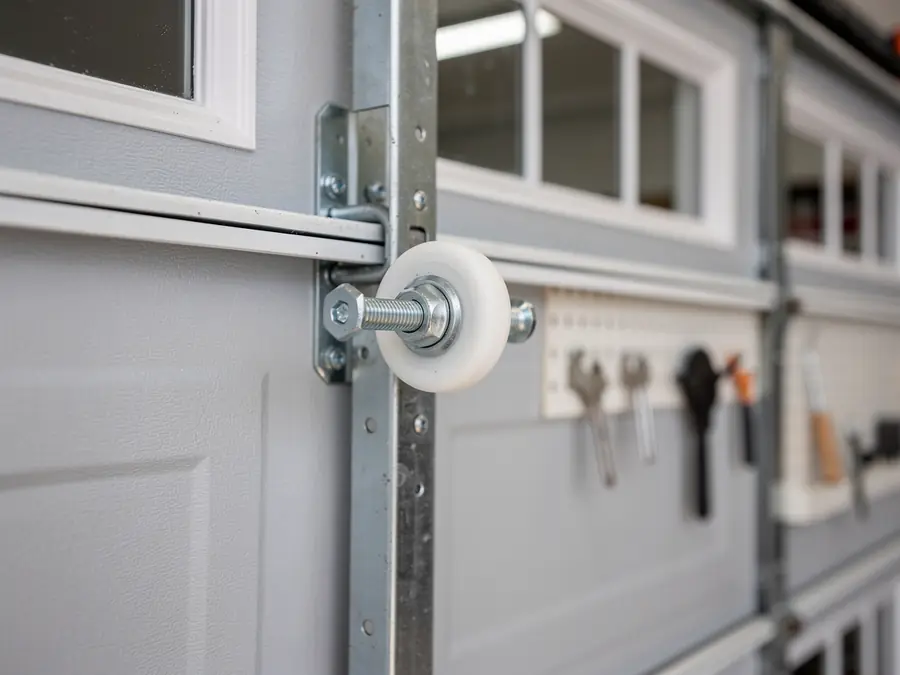
Roller replacement is usually steel-ball nylon rollers swapped in, since that's what holds up best against the wear pattern we see on homes dating to the 1966-1999 build range.
 Lakeland, FL
Garage door repair for Lakeland homes built between 1966 and 1999 - springs, rollers, and openers worn out by three decades of Florida service.
Booking
Most calls we get start the same way: the door won't go up, or it goes up and slams down, or the opener grinds and does nothing.
Tell us the symptom and roughly how old the house is - in this service area that usually means something built between 1966 and 1999, with a lot of it dating to the 1980s and 90s. That range tells us a lot before we even pull up.
A door installed when the house was built in 1986 is pushing forty years on original hardware, and that changes what we bring on the truck. We work across the Lakeland area, from Downtown out through Crystal Lake, Combee Settlement, and the Highlands side of town, so the 25-plus named areas we cover share a lot of the same housing-age pattern.
One honest note up front: if your opener or spring is a specialty size that isn't common stock, parts can take longer to source than the repair itself - we'll tell you that on the call, not after we've opened things up.
Local causes
Lakeland's housing didn't arrive all at once. The bulk of it went up between 1966 and 1999, with the median landing around 1986, which means a huge share of garage doors and openers in this service area are original or close to it. Torsion springs are rated for a cycle count, not a calendar date, but a spring installed in the Reagan years has seen tens of thousands of open-close cycles by now regardless of the number on the wall. Add the mild temperate climate here - no hard freezes, but steady year-round heat and swings in humidity - and you get slow, constant expansion and contraction in steel tracks, rollers, and spring coils. It's not a dramatic failure. It's fatigue. Nylon rollers from 80s and 90s installs get brittle and start chipping instead of failing clean, and galvanized spring coils lose tension a little at a time instead of snapping outright.
Warning signs
If your door is heavy to lift by hand, slow on the way up, or makes a loud bang followed by the door refusing to move, that's almost always a broken or weakened torsion spring - common on the original one- and two-spring setups that came standard on homes built through the 80s and 90s across this area. A door that shudders, drifts to one side, or comes off track partway up usually points to worn rollers or a bent track, which shows up more on doors that have logged decades of cycles in steady Florida heat. If the opener runs but the door doesn't move, or only moves a few inches, check the drive gear and the opener's internal gear-and-sprocket assembly - plastic gears from older units wear down faster than the motor itself. None of these point to one single part until we've had eyes on the door, so a phone description gets you a likely cause, not a diagnosis.
The repair
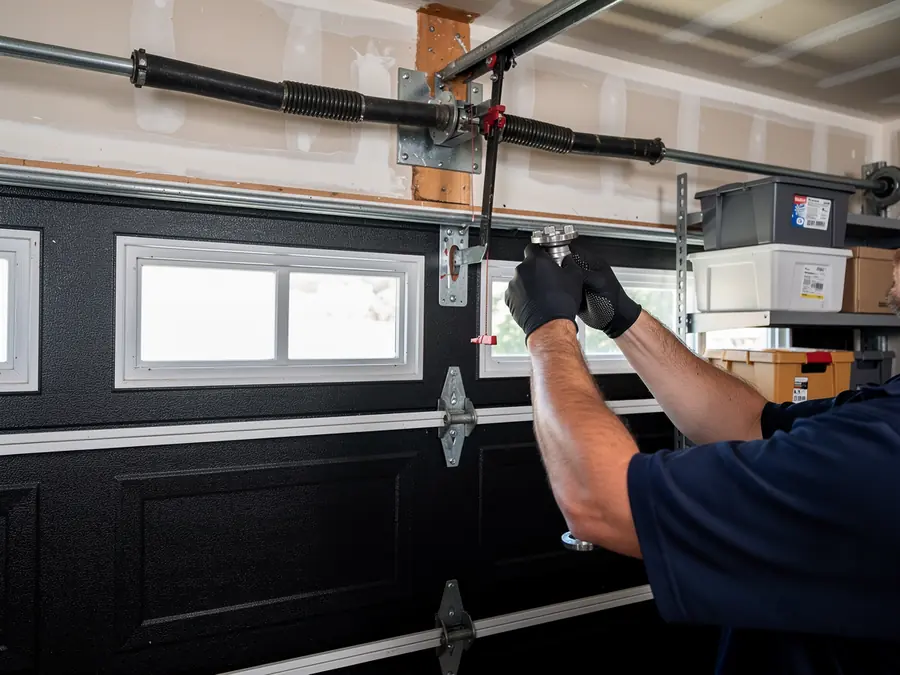
A broken torsion spring gets replaced in pairs on most doors from this era, even if only one side failed, because the other spring is carrying the same cycle count and is close behind it.
Roller replacement is usually steel-ball nylon rollers swapped in, since that's what holds up best against the wear pattern we see on homes dating to the 1966-1999 build range.
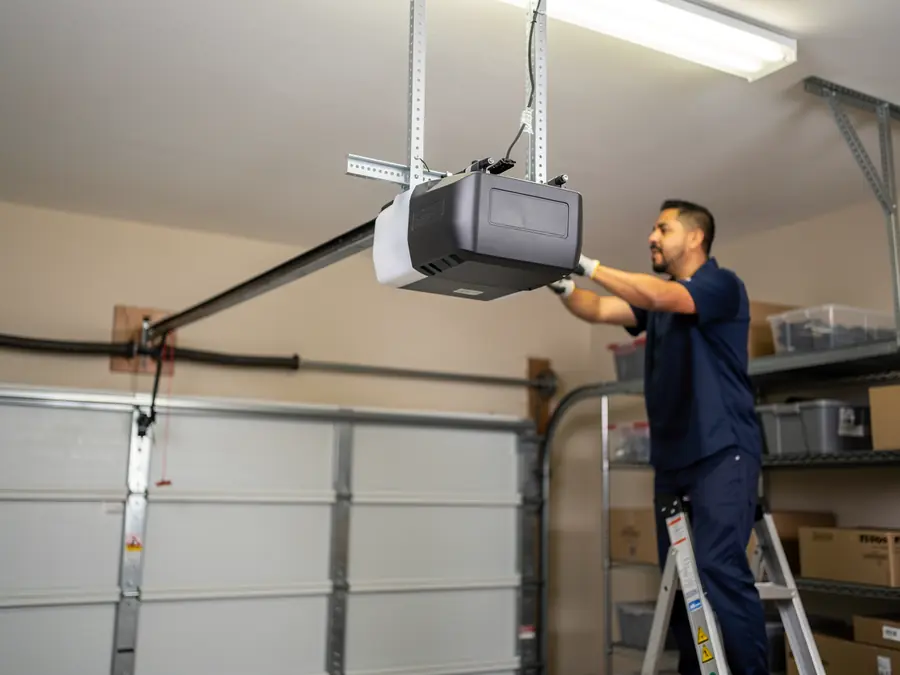
If the opener's gear kit is shot but the motor still runs fine, we replace the kit rather than the whole unit - full opener replacement only gets recommended when the motor itself is failing or parts for that model are no longer made.
One limit worth saying plainly: if your door is original to a house built in the 1960s or 70s, in some cases the panel steel itself has thinned enough that a spring or roller fix buys you a year, not a decade, and we'll say so rather than charge you twice.
Questions
Torsion springs fail by cycle count, not age on the calendar. A lot of Lakeland homes were built in the 1980s and 90s with original springs still in place, and after tens of thousands of open-close cycles the coil fatigues and lets go, often without any warning sag beforehand.
Yes, especially nylon rollers installed when the house was built. Steady Florida heat causes slow wear that shows up as chipping or flat spots rather than a sudden break, which is common on doors dating to the 1966-1999 range that make up most of this area's housing.
We cover the wider service area, including Combee Settlement, Crystal Lake, Fussels Corner, Kathleen, Medulla, and the other named communities within roughly 20 miles of Lakeland, along with the Downtown and South Lake Morton Historic District neighborhoods closer in.
If the motor runs fine and only the gear kit or sprocket has worn out, we replace that part, not the unit. Full replacement only makes sense when the motor is failing or the model is old enough that parts aren't available anymore.
Explore more
Ready when you are
Lakeland Garage Door Co repairs and installs garage doors, springs and openers in Lakeland, FL and the surrounding area.