
Blog
When a Spring Goes in Cold Weather in Lakeland
Lakeland's mild climate rarely sees hard freezes, but when a spring goes in cold weather here it's usually one that was already near the end of its life. Here's what to check.
Doing Nothing For Now
If your door is heavier than it used to be or the opener strains on the way up, you can usually wait a few days before calling anyone. That's not true once a spring has actually let go - a door with a snapped torsion spring is not safe to run on the opener, full stop, because the opener isn't built to lift that weight alone. The waiting-it-out approach only works for the early warning signs: slow starts, a door that reverses halfway, a spring coil you can see has a visible gap in it.
Most of the houses on this side of the county were built between 1966 and 1999, with the typical build year sitting around 1986. A spring installed with a garage door of that era is well past any reasonable service life by now even if nobody's touched it. That's the real reason "doing nothing" has a shelf life here - it's not the door's fault for being old, it's that the clock started decades ago and most owners never knew it was running.
What the Weather Here Does to It
Lakeland sits in a mild temperate band - we don't get the hard, sustained freezes that crack springs outright the way a northern winter does. That actually works against owners in one specific way: because the climate rarely forces a spring to fail, a lot of springs here get left in service years past when a harsher climate would have already broken them and forced a replacement.
So when a spring does go in cold weather here, it's almost never the cold doing the damage on its own. It's a spring that was already fatigued from thousands of open-close cycles, and a cold snap - even a mild one, down into the 30s or 40s overnight - is enough to stiffen the metal just that last bit and push a weak coil past its limit. The temperature swing is the trigger, not the cause. The cause is age, and in a county where the housing stock centers on the 1980s and 90s, there are a lot of original springs still hanging on torsion bars that were installed under Reagan.
The Situation
Across the service area there are roughly 44,232 owner-occupied houses, most of them built in that same 1966-1999 window. That's a lot of garage doors that have never had a spring replaced on purpose - only ever after one broke. With a median household income here around $59,346, a lot of owners put off a $150-250 spring swap until it becomes a $0-choice emergency, and that's exactly the kind of call that comes in on the first cold morning of the year.
If you're in Combee Settlement, Crystal Lake, or anywhere closer in toward Downtown, the housing ages skew a bit older; further out toward Kathleen or Medulla you'll see more 1990s construction, but the spring situation is the same either way - nobody re-springs a door on a schedule, they do it when it breaks.
What to Check
Look at the torsion spring above the door - usually one or two coils mounted on a bar. A gap in the coil, rust concentrated at one spot, or a spring that looks stretched compared to its neighbor are all signs it's near the end. Don't try to wind or unwind it yourself; that bar is under real tension and it's not a DIY job.
If the door feels heavier than it did a month ago, or the opener motor sounds like it's working harder on the way up, that's usually the spring losing tension before it snaps outright. Catching it there means a scheduled repair instead of a door stuck shut on a Tuesday morning. One honest limit: if the spring's gone and the drums, cables, or track are also worn from the same decades of use, replacing just the spring sometimes isn't worth it - we'll tell you straight if that's the case rather than selling a part that'll need the next part replaced in a year.
Questions
Common questions
Does Lakeland's weather really cause spring failures?
Not directly. Lakeland's mild temperate climate rarely drops low enough to crack a spring on its own. What happens is a cold snap stiffens a spring that was already fatigued from age and cycle count, pushing it past the point it was already close to. The cold is the trigger, not the root cause.
How old are most garage door springs in this area?
Housing in the service area was mostly built between 1966 and 1999, with a median around 1986. A lot of original springs are still in service from that era since replacement usually only happens after a break, not on a maintenance schedule.
Can I replace a torsion spring myself?
We don't recommend it. The bar holding a torsion spring is under heavy tension, and winding or unwinding it without the right bars and experience can cause serious injury. It's one job worth paying someone to do.
Is it ever not worth fixing just the spring?
Sometimes. If the drums, cables, or track show the same decades of wear as the spring, replacing only the spring can mean another part fails soon after. We'll flag that upfront instead of doing a repair that won't hold.
Recommendation
You Might Also Like
More garage door guides for Lakeland homeowners.
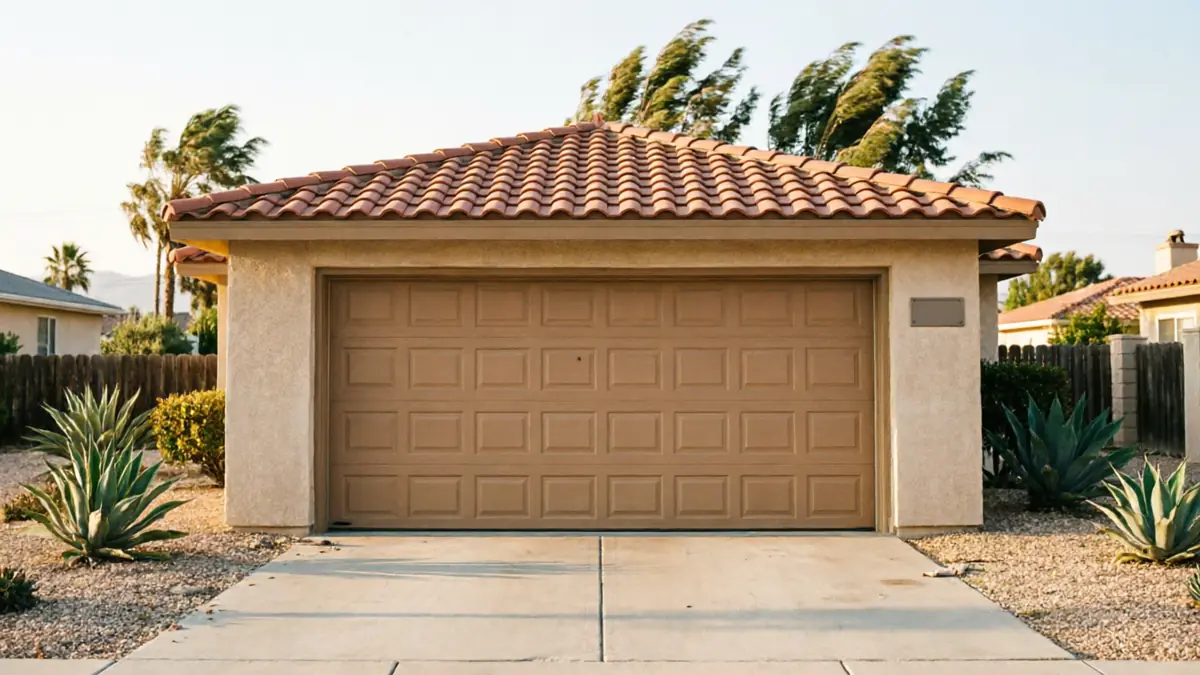 Why a Garage Door Goes Off Track in Lakeland
Lakeland's 1980s-era housing and mild climate mean off-track doors here usually come from worn rollers or a bent rail, not weather.
What a Service Call Actually Covers in Lakeland
A look at what we actually check on a Lakeland service call, tied to the 1966-1999 housing stock and mild-but-humid local climate that shape most repairs here.
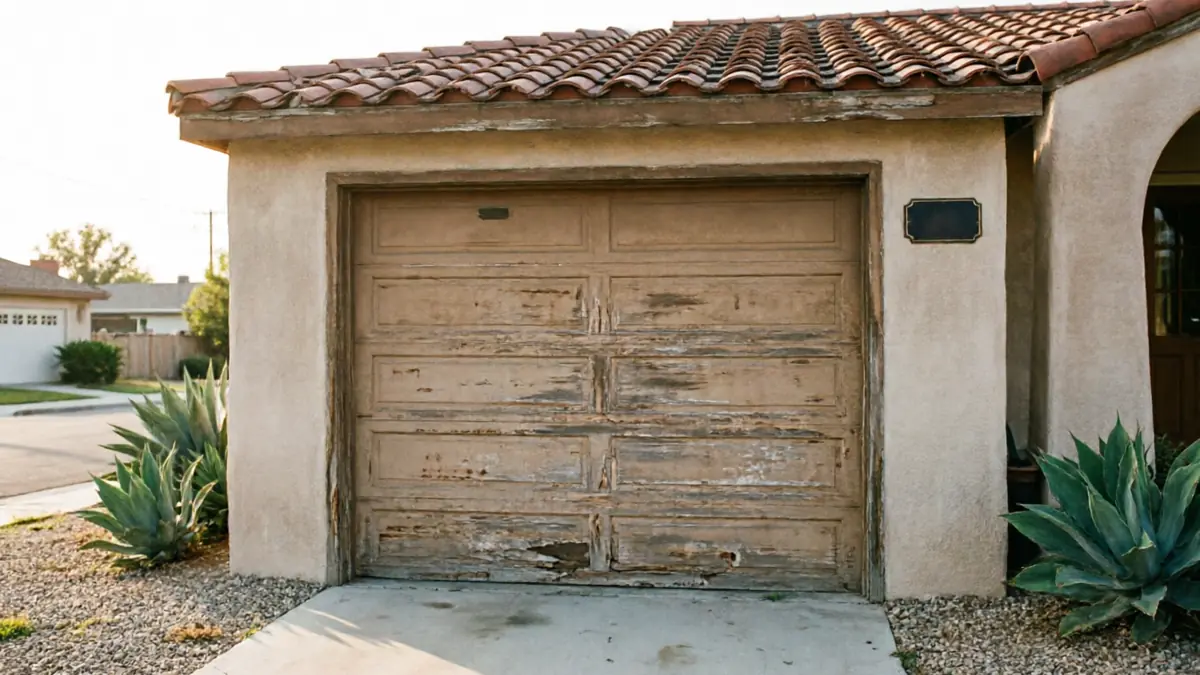 The Garage Door Your Lakeland House Came With
Lakeland homes built 1966-1999 often have garage doors with no insulation layer at all.
Ready when you are
Need a garage door sorted in Lakeland?
Lakeland Garage Door Co repairs and installs garage doors, springs and openers in Lakeland, FL and the surrounding area.