Grinding from aged rollers
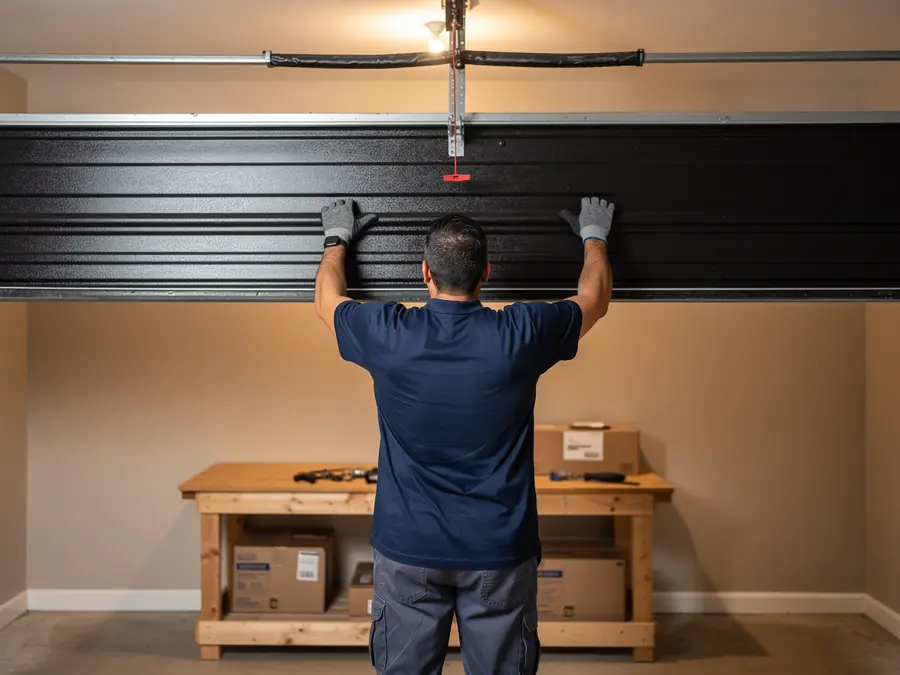
Rollers that have gone 30-plus years without replacement start grinding in the track, especially on the older steel rail styles you still find on houses from that era.
 Lakeland, FL
Garage door service for Lakeland homes built mostly between 1966 and 1999 - spring, opener, and track repair sized to this area's housing stock and climate.
Booking
Call in and tell us what the door is doing - won't open, opens crooked, makes a bang when it comes down, opener runs but the door doesn't move. That tells us what to bring on the truck instead of showing up and ordering a part after the fact.
We work the Lakeland service area, which stretches from Downtown and the South Lake Morton Historic District out through Combee Settlement, Crystal Lake, Fussels Corner, Lakeland Highlands, Kathleen, Medulla, and Highland City, and further out to Auburndale, Mulberry, Bartow, and the rest of the named areas we cover. If you're near one of those, we can likely get to you.
One limitation worth saying up front: if your door uses a part that hasn't been made in twenty years, we may need a day or two to source it rather than fix it on the spot. We'll tell you that on the phone, not after we've already opened up your garage.
Local causes
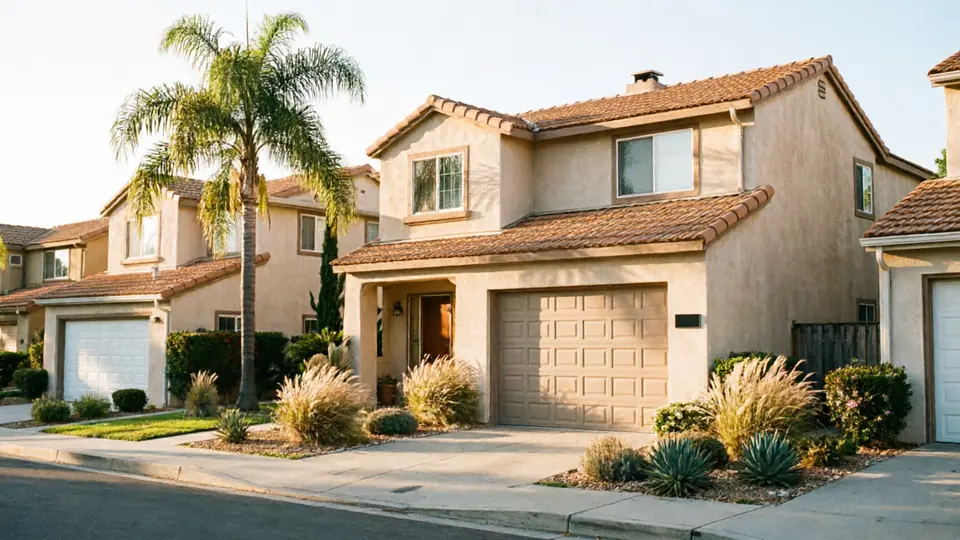
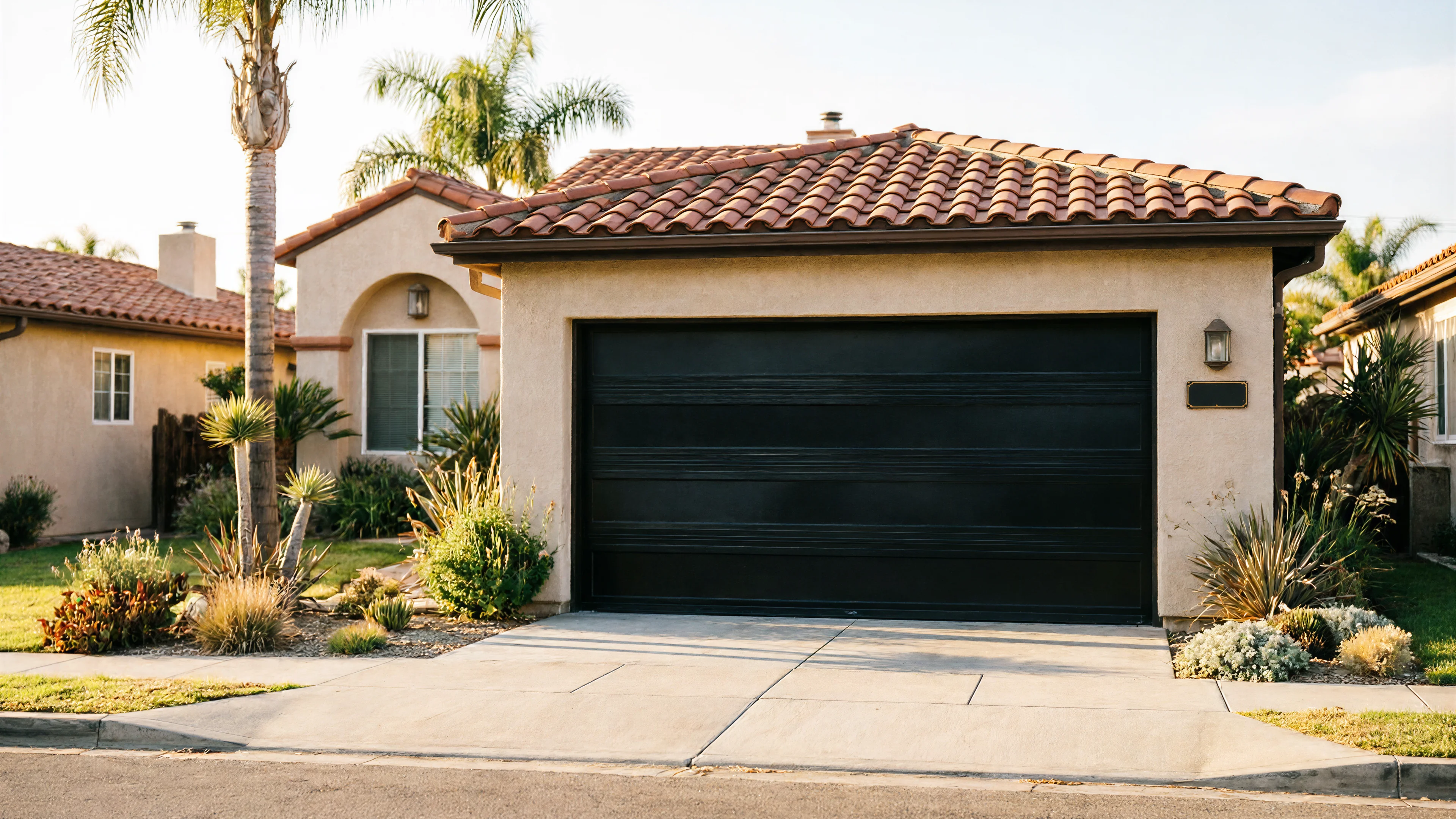
The housing stock in the Lakeland area runs mostly 1966 to 1999, with a median build year of 1986. That's the number that matters more than anything else on this page. A door and opener installed when a house was built in the mid-80s is now pushing forty years old, and garage door hardware - springs, rollers, the opener's gears and circuit board - doesn't last that long without attention.
Across the 25 named areas we cover, from Combee Settlement three miles out to places like Zephyrhills nineteen miles east, you see the same pattern: mostly 1980s and 90s construction, original equipment still hanging on, or replaced once somewhere along the way with whatever was cheapest at the time.
Lakeland's climate plays its own part. We're in a mild temperate band - no hard freeze to crack a spring overnight - but the steady heat and humidity do slower damage. They dry out spring lubricant, harden the rubber weatherstrip, and corrode steel cable and hardware faster than a cold, dry climate would. It's not dramatic. It's just wear that adds up over decades in a house older than the person living in it, most of the time.
Warning signs
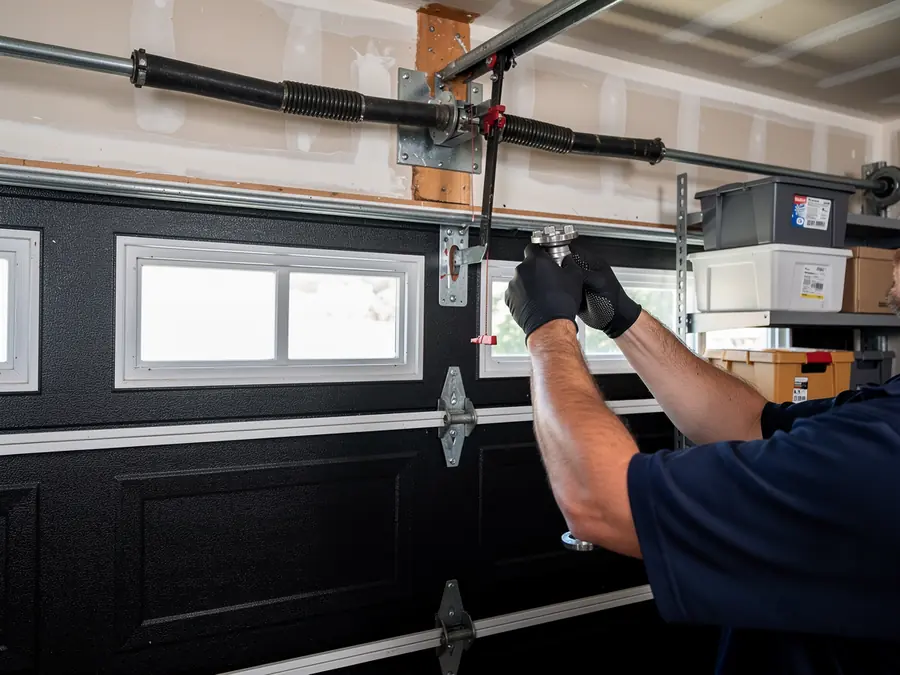
If your door is original to a house built in that 1966-1999 window, the failure usually looks like one of a few things. The torsion spring lets go - a loud bang from the garage, then the door won't lift, or only lifts a few inches before the opener strains and stops.
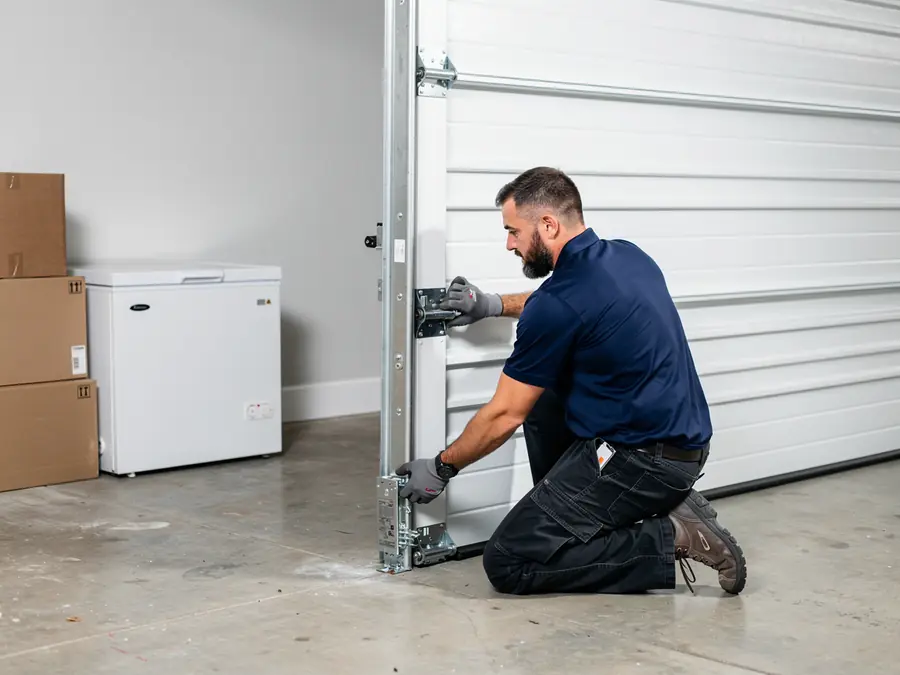
Rollers that have gone 30-plus years without replacement start grinding in the track, especially on the older steel rail styles you still find on houses from that era.
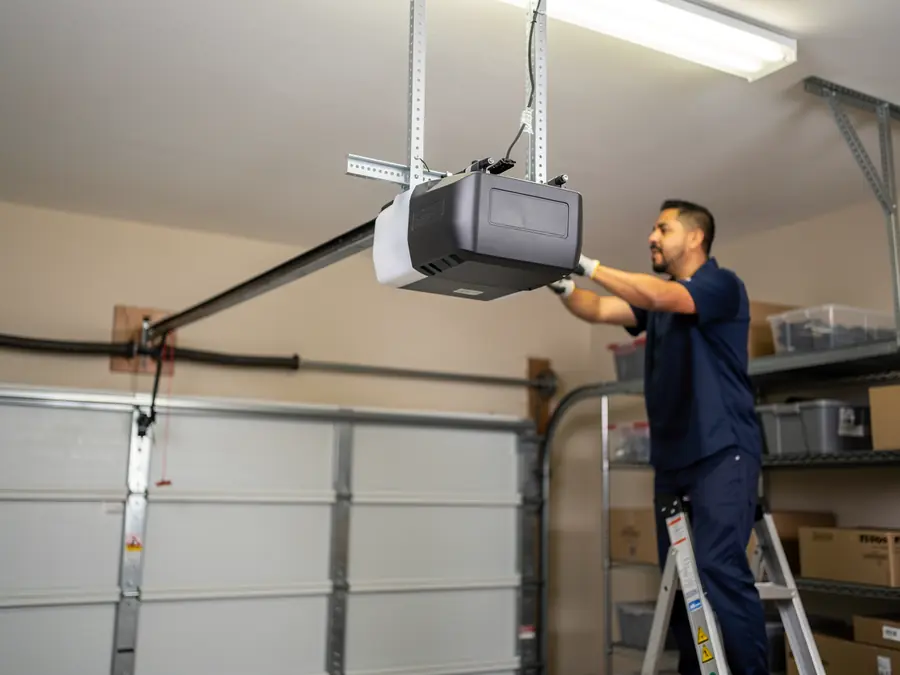
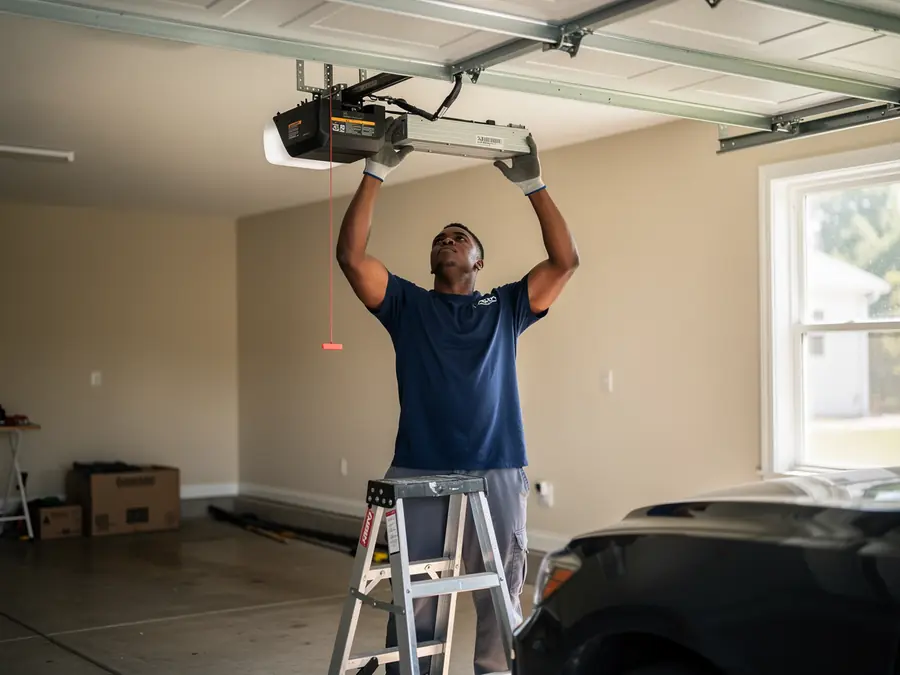
Openers from the 80s and 90s chain-drive units tend to go one of two ways: the drive gear inside the unit strips (door won't move, motor hums), or the circuit board finally gives out after enough seasons of heat and humidity cycling through the garage.
Sometimes it's neither of those - it's just the remote or wall switch failing, which looks like a dead opener until you check the simple stuff first. With 44,232 owner-occupied houses across this area, a lot of them are carrying some version of this same story: original hardware, original opener, first real failure showing up now.
The repair
Spring replacement is the most common call. We match the spring to the door's weight and the track setup it already has - on a house from the 80s or 90s that often means a standard torsion spring on a header-mounted shaft, straightforward work once we're on site.
Rollers and cables get checked at the same time, since a spring job is the right moment to replace worn rollers rather than wait for them to fail separately.
For openers, if it's a dead board or stripped gear on a unit from that same build era, replacement is usually the honest answer rather than repair - parts for 30-year-old chain-drive openers are hard to source and not worth chasing when a new unit costs less than the labor to hunt down discontinued parts.
We'll say that plainly instead of billing you for a search that won't pan out. What we won't do is sell you a full door replacement when the fix is a spring and a set of rollers. Most of the original steel doors from this era are still structurally sound; it's the moving hardware, not the panels, that gives out first.
Questions
It depends on how many times the door's been cycled, not just the calendar year, but a spring installed when a Lakeland house was built in the 1980s or 90s is well past the point where failure without warning is likely. If you haven't had it replaced since the house was built, that's worth a look.
We can diagnose them, and sometimes the fix is simple - a switch or remote, not the unit itself. But if the drive gear or circuit board has failed on an opener that old, parts are often discontinued, and replacement usually costs less than tracking down obsolete components.
Yes, though not the way cold-climate damage works. We don't get hard freezes here, but steady heat and humidity dry out spring lubricant and degrade rubber seals and weatherstripping faster over time, which shows up as noise and wear in doors that are decades old.
Yes, those are both within our service area, along with Combee Settlement, Crystal Lake, Highland City, Auburndale, Bartow, and the other areas we cover around Lakeland.
Explore more
Ready when you are
Lakeland Garage Door Co repairs and installs garage doors, springs and openers in Lakeland, FL and the surrounding area.