Local detail
What Was Built Here
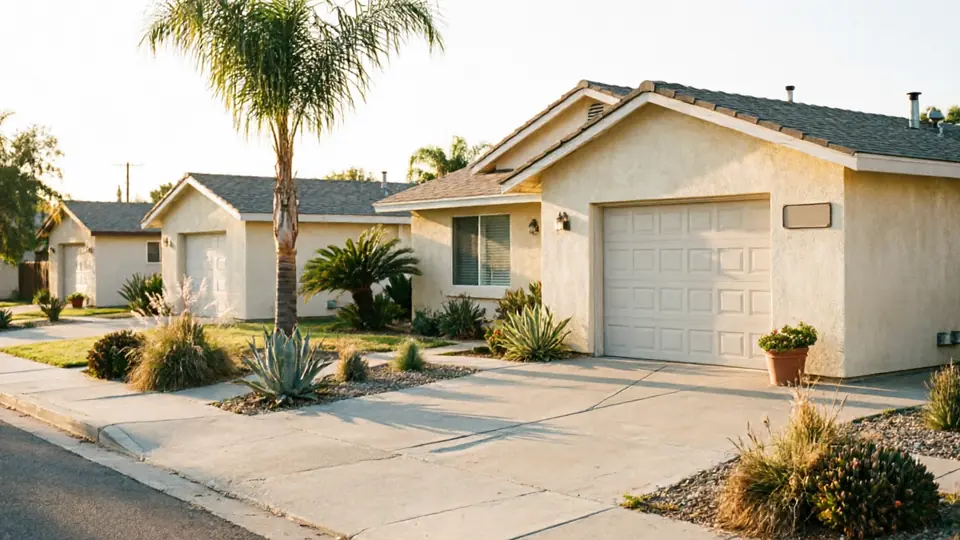
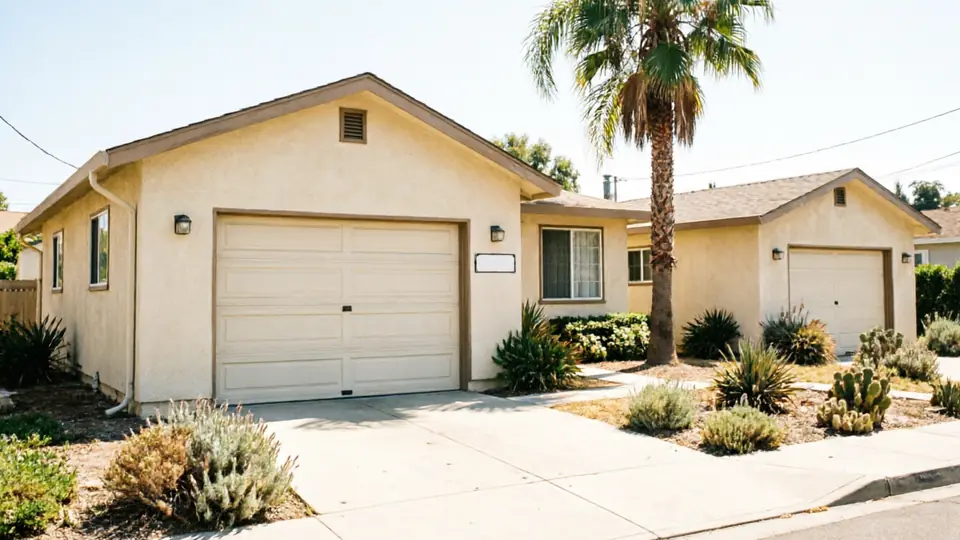
Lakeland Highlands sits about 7 miles out from our shop in Lakeland, and the houses here mostly went up around the same build era as the rest of the service area - median year built 1986. That puts most garages at 35 to 40 years old, with the original opener long since swapped out at least once and the door itself either original or a first replacement from the 90s or 2000s.
What sets this area apart isn't the age of the stock, it's what went into it. Median household income here runs $106,012, well above the $59,346 figure for the broader service area. That shows up on the ground as more insulated steel doors, more carriage-style faces, and more upgraded openers with belt drives and battery backup than you'll find on an average block closer to downtown Lakeland. With 4,429 households in the area, it's a smaller pocket than some of the named communities nearby, but the doors tend to be heavier and better equipped, which changes what we bring on the truck.
The area
What the Housing Means for Your Door
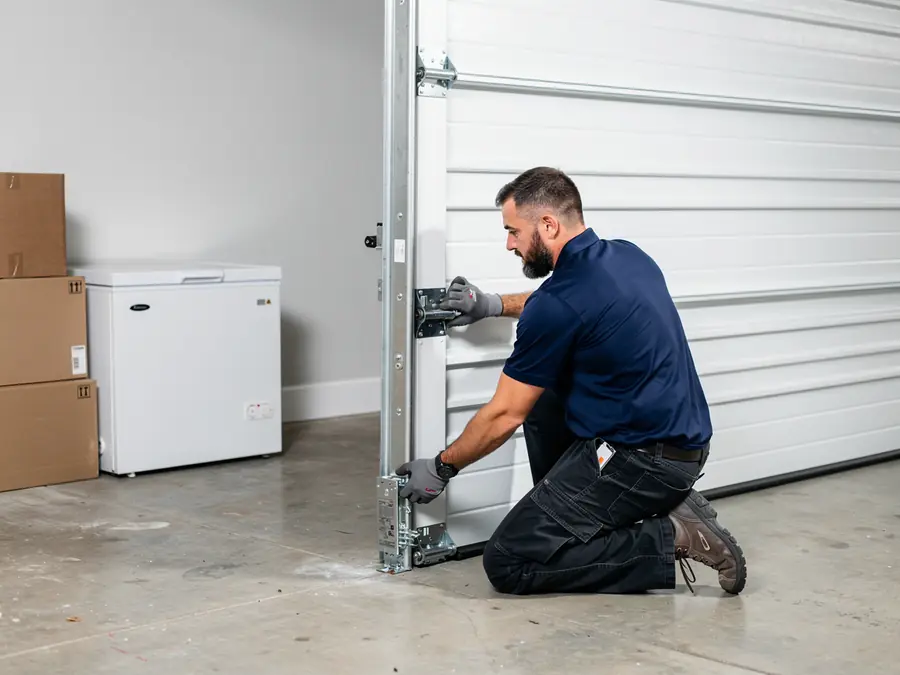
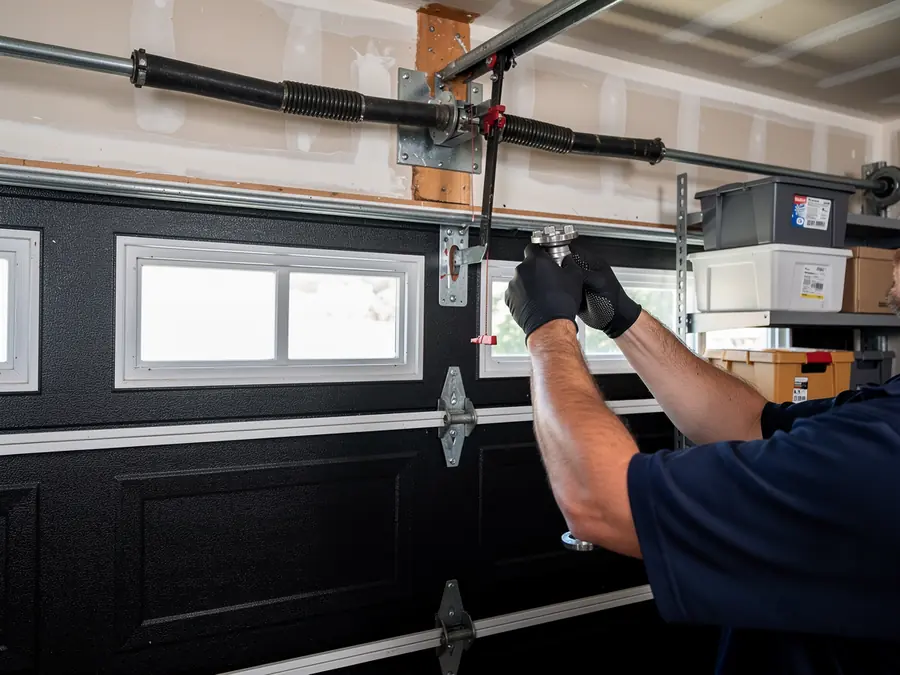
A 1986-built garage usually means an extension or torsion spring setup that's gone through at least one full replacement cycle already - springs are rated for cycles, not years, and a door opened twice a day for 35+ years has used up several springs' worth of life. If yours has never been touched, it's likely original and due.
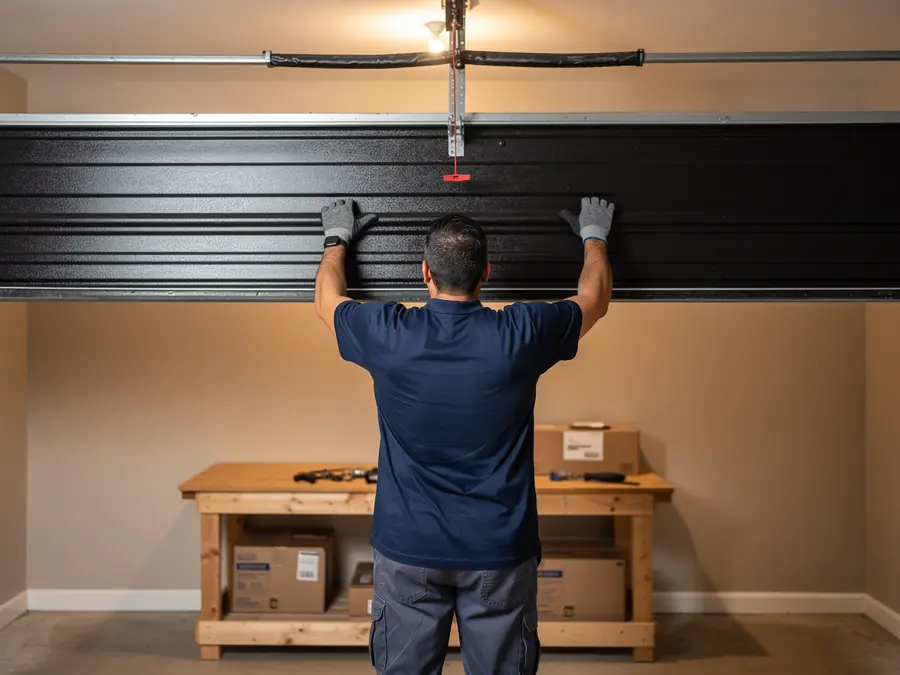
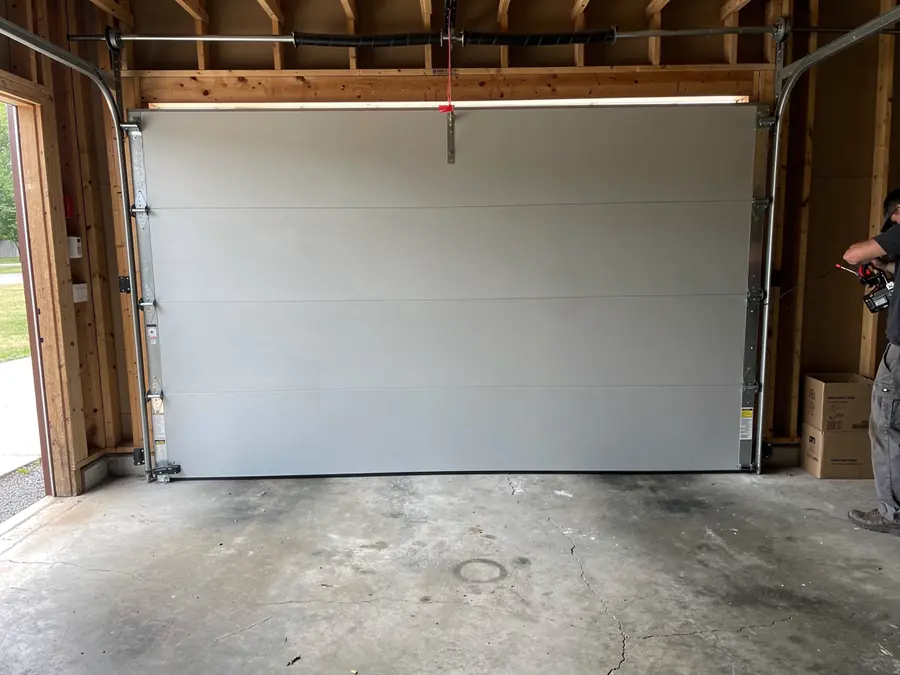
Because more homes here were upgraded or replaced with heavier insulated doors, we see more two-inch thick sections and higher-cycle torsion springs than the single-layer steel doors common in older, lower-income tracts closer to the city center. That's good news for weather and noise, but it means a spring failure on one of these doors is a heavier lift - literally - and not a job for the cheapest universal spring on a parts truck. We carry a range of spring weights for exactly this reason, though some specialty insulated panels do carry longer lead times if a section needs replacing rather than repairing.
What we find
What People Here Ring About
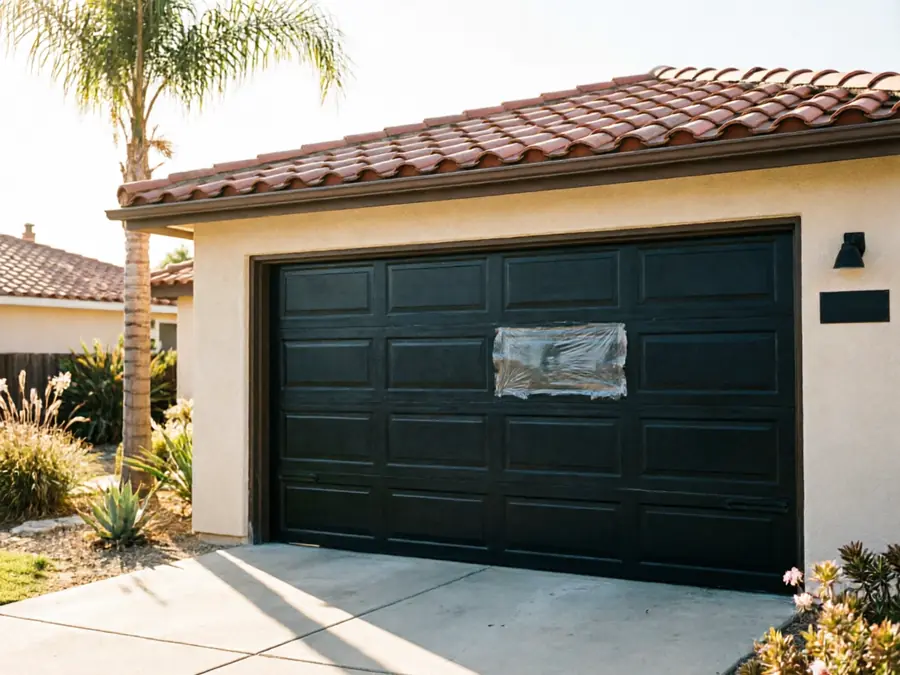
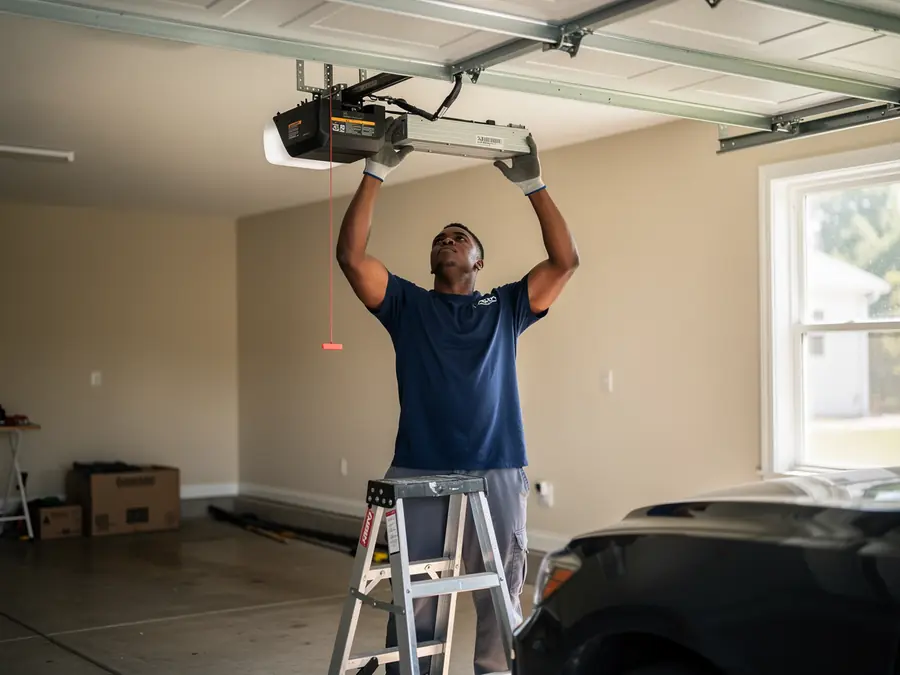
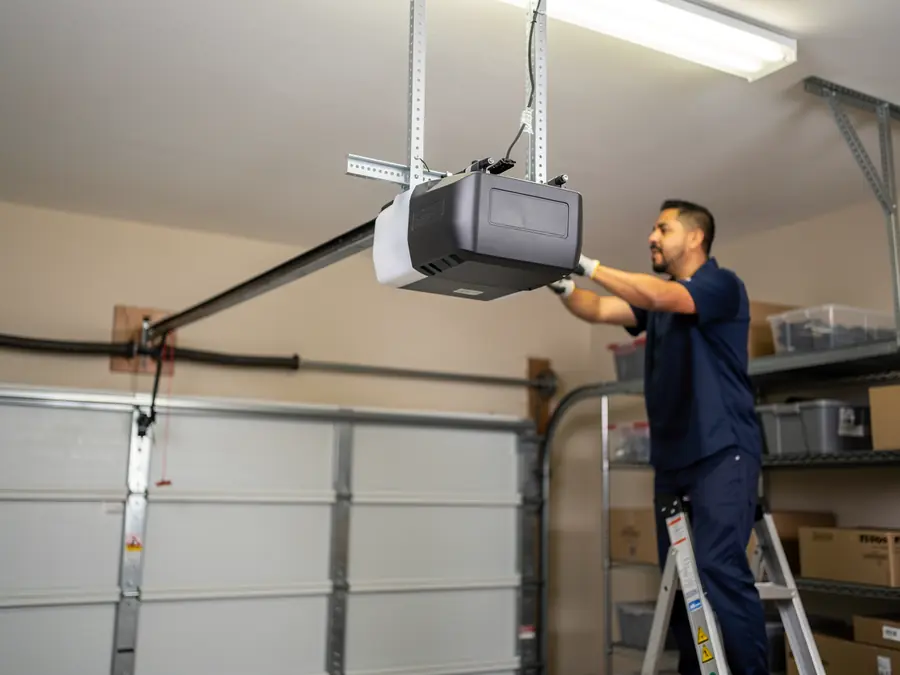
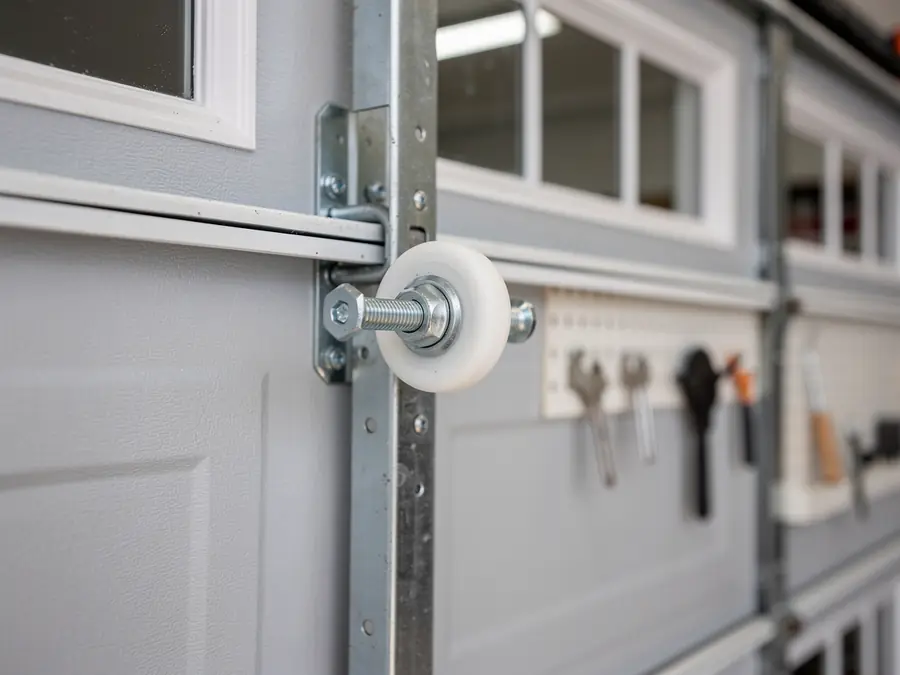
Most calls out this way aren't about a dead door - they're about a door that's starting to groan, drift, or stick on one side. With 1986 as the median build year, that's rollers and hinges reaching the end of their service life, not catastrophic failure. A belt-drive opener that's begun grinding, a torsion spring that's lost its wind, or a carriage-style panel where the decorative hardware has worked loose over the years.
We also hear from folks whose insulated doors have started sagging at the bottom panel - common once the door's original springs are undersized for a heavier door than what the opener was originally paired with. Florida's mild temperate climate means we're not fighting frozen tracks or ice-locked springs like colder regions do, so most issues out here are mechanical wear, not weather damage. That's one less variable to diagnose on the call.
How we work
How Soon We Can Come Out
We run out of Lakeland, and Lakeland Highlands is roughly 7 miles from the shop - close enough that it doesn't add much to the trip compared to some of the farther parts of the service area. We don't keep a depot or crew stationed in the Highlands itself; every job here is a truck dispatched from Lakeland.
If you're dealing with a spring that's snapped or a door that won't move at all, say so when you call - that gets bumped ahead of routine tune-up requests. For anything involving a specialty insulated panel or a less common opener model, parts availability can add a day or two beyond the visit itself, and we'll tell you that up front rather than guess.