Local detail
The Cost of This Job
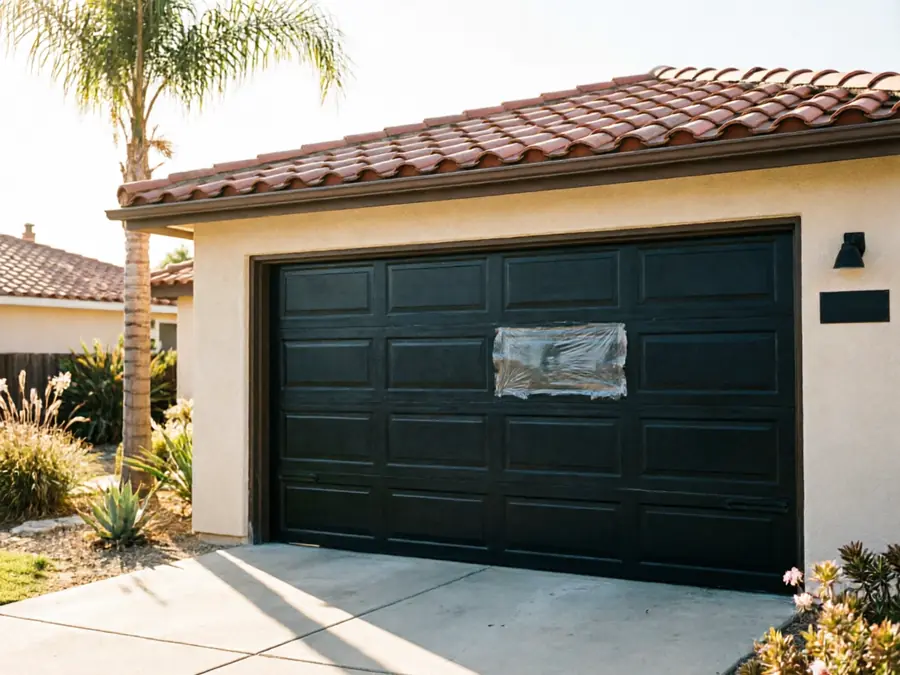
Lakeland Highlands is a small pocket compared to the rest of the service area - about 4,429 households, not the tens of thousands you'd find closer to town. That size matters for this job: it's a tighter band of houses, mostly built around the same stretch of years, which means the rollers wearing out right now are wearing out for the same reason across the whole area, not a mixed bag of problems.
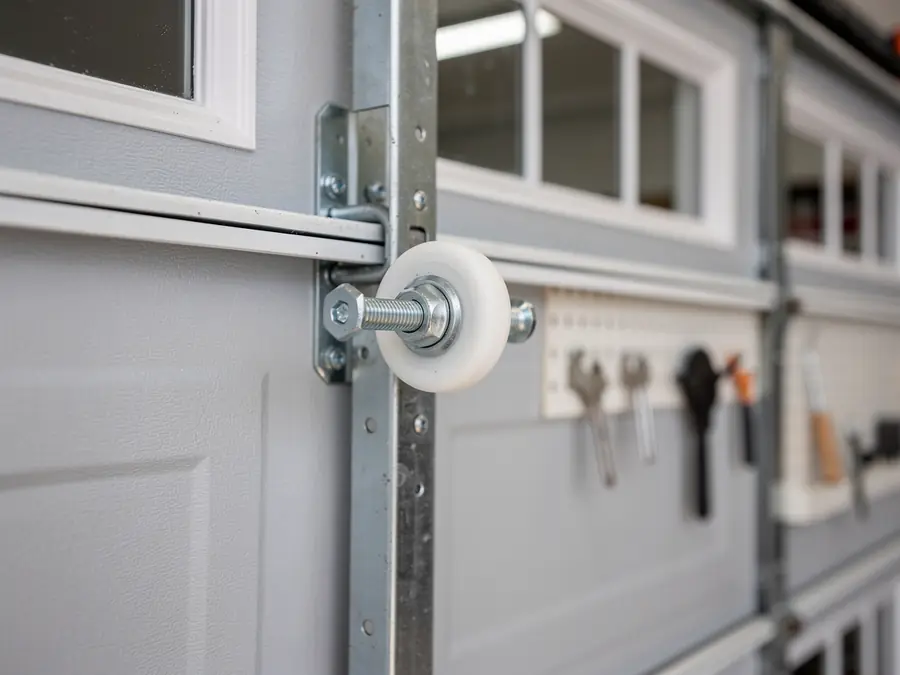
Median household income here runs well above the wider service area's $59,346, closer to $106,012. That doesn't change what rollers cost, but it does change what people tend to choose once they're in front of the door with the panel off - a straight swap to steel rollers versus an upgrade to sealed nylon that runs quieter and lasts longer before it needs doing again. Steel is the cheaper call up front. Nylon costs more per roller but doesn't need lubing every few months and won't rattle the track the way worn steel does.
We price the job once we've seen the door - track condition and roller count (8 to 10 per door, depending on size) are what move the number, not the drive out. If a track is bent or the hinges are cracked along with the rollers, that's a different conversation and a different price, and we'll tell you before we start, not after.
The area
Getting It Booked In
We run out of Lakeland, and Lakeland Highlands sits about 7 miles out, so there's no separate branch or crew based in the neighborhood - just a truck that comes to you. That's worth saying plainly rather than implying otherwise.
Because the area is mostly one era of construction, the roller job tends to be a known quantity before we even open the door: same hardware pattern, same wear points, same fix. That lets us quote close to accurately over the phone once you tell us the door's age and whether it's making noise, binding, or jumping the track. If you're not sure, a photo of the roller where it meets the track usually tells us enough.
What we find
What the Fix Involves
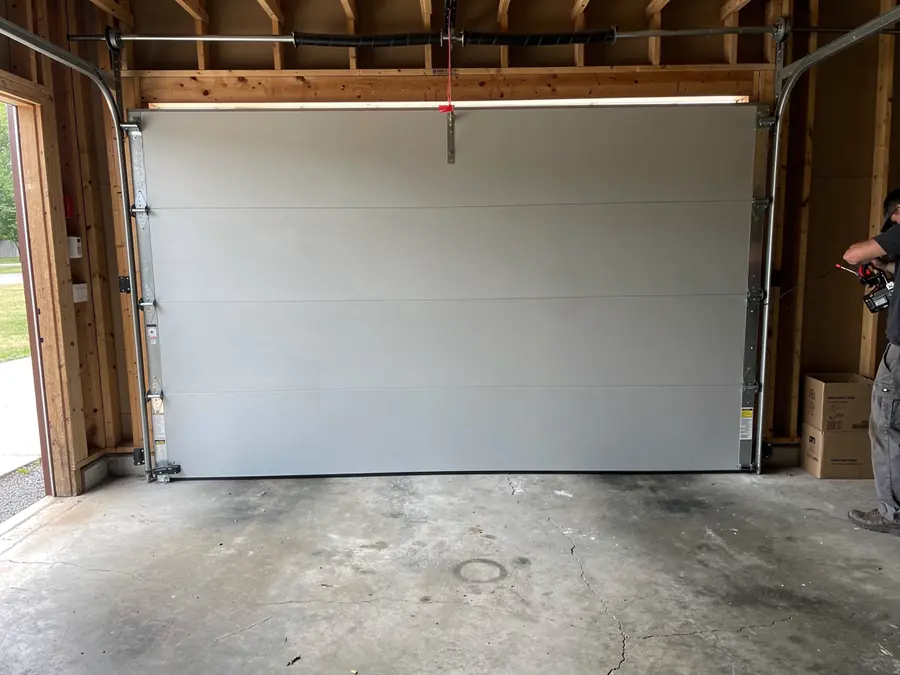
Houses in this area were mostly built in the mid-1980s to 1990s, with a median year built around 1986. That generation of garage door came standard with steel rollers running in steel track - fine hardware for its time, but 35-plus years on, steel rollers wear oval, the bearings dry out, and the door starts grinding or hopping instead of rolling. That's the fault we see most in this part of the service area, not broken springs or bad openers, though those show up too.
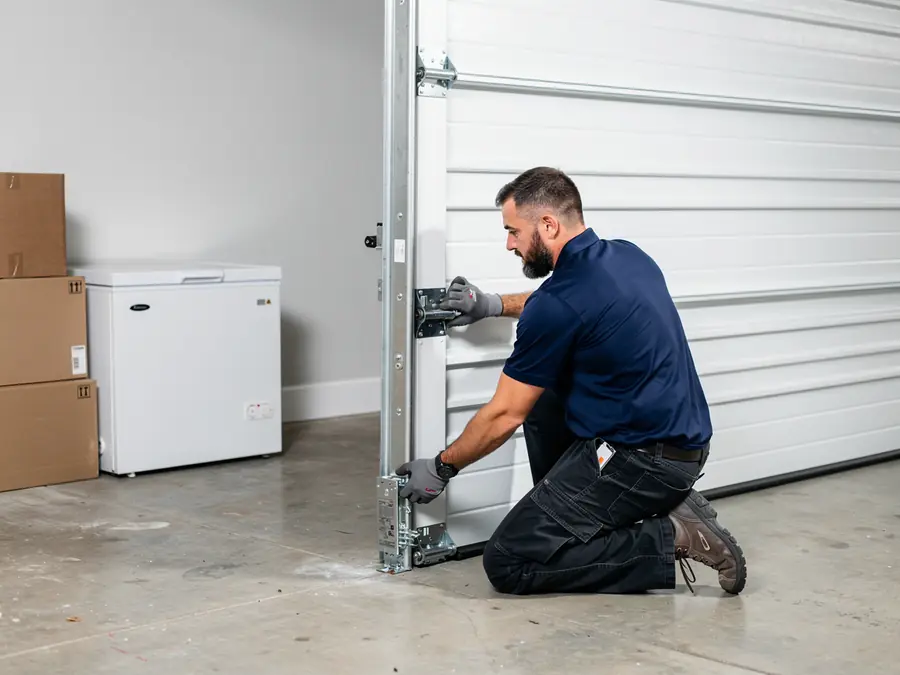
The fix is a full roller swap, not a patch: all rollers on the track get pulled and replaced together, since the wear is usually even across the set even when only one or two are making noise. We check the track for flare or dents while we're in there - a track that's been riding on dying rollers for months sometimes needs reseating too. Florida's mild, humid climate doesn't rust steel track outright the way a harsher climate would, but it does mean grease turns gummy and attracts grit, which speeds up roller wear here more than you'd expect for the mild weather alone. Nylon rollers sidestep most of that because they don't need the same lubrication schedule.
How we work
The DIY Question
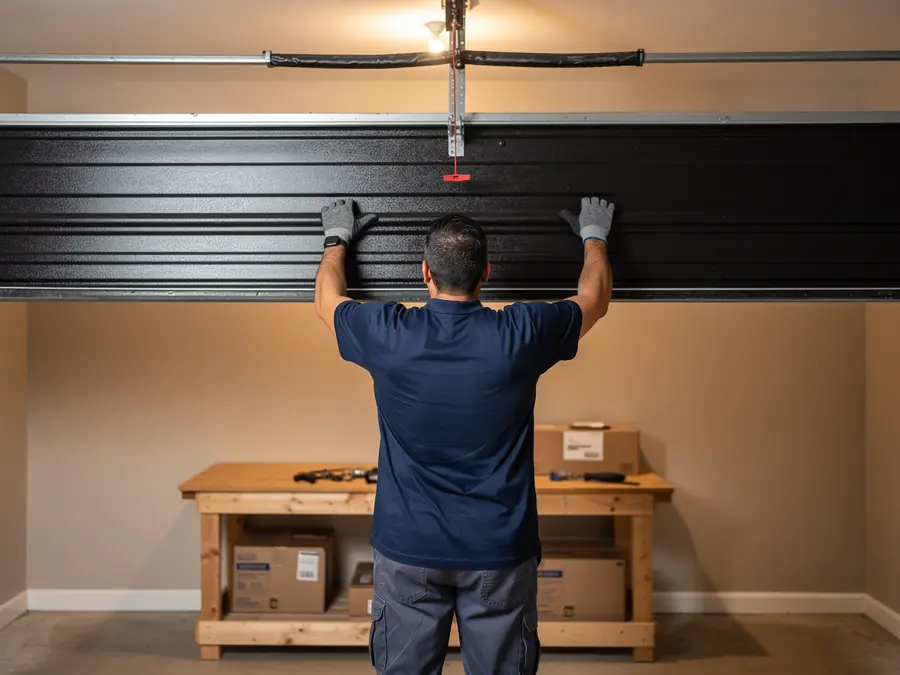
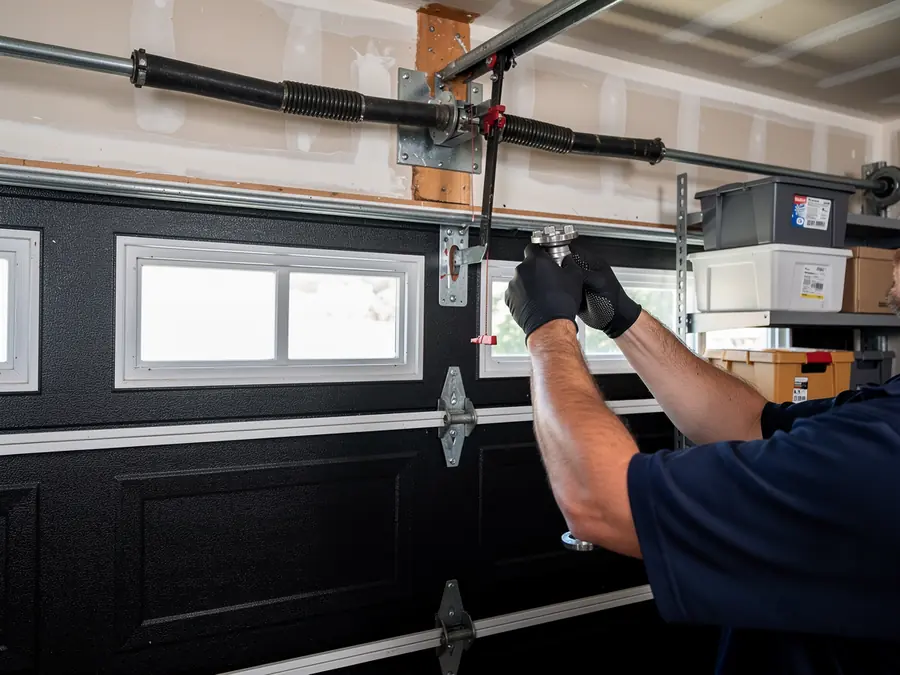
Rollers are one of the more approachable garage door repairs, and plenty of owners handle the bottom two on each side themselves - low leverage, low spring tension at that point on the track. The top rollers, especially on doors with the torsion spring still under load, are a different story. Pulling those wrong can drop a panel on your hand or let the spring let go, and that's not a job we'd recommend without disconnecting the opener and securing the door first.
One honest limit: if your rollers are original to a 1986-era door and the track itself is worn or bent from years of riding on them, roller replacement alone won't quiet the door down. At that point you're better off replacing the track section too, and we'll say so rather than sell you a roller job that doesn't fix the actual noise.