Local detail
The Cost of This Job
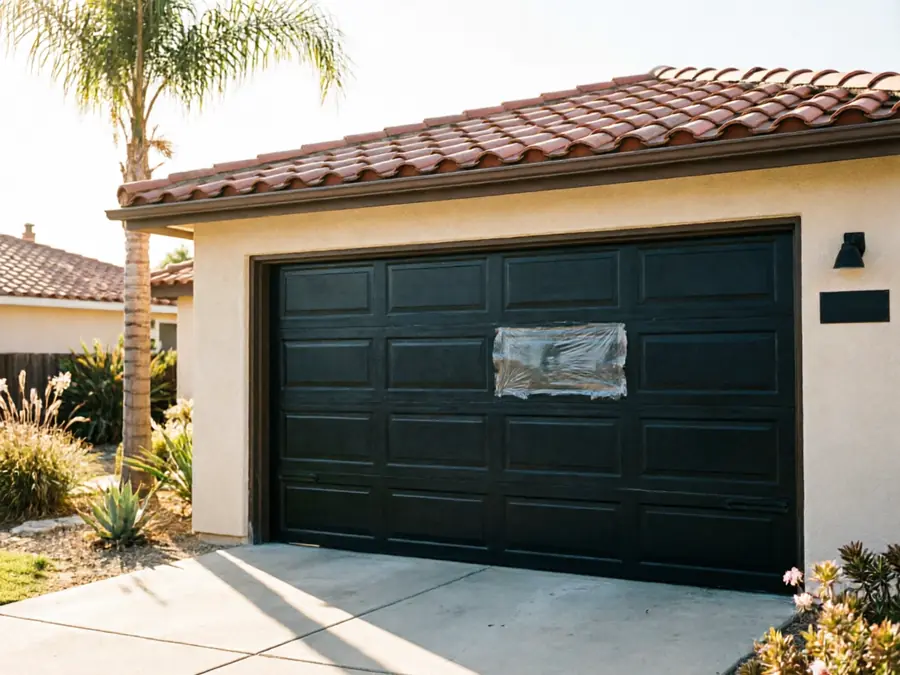
Most houses on this side of the county went up around 1986, and the opener that came with that house is either long dead or on its last run of the year. A chain-drive unit from that era was built to move the door, not much else - no rolling code, no battery backup, no app. What you pay for a replacement here depends on whether you're matching a half-horsepower chain drive to a single door or stepping up to a belt-drive unit for a quieter two-car door, and whether the existing rail, arm, and wiring can be reused or need to go too.
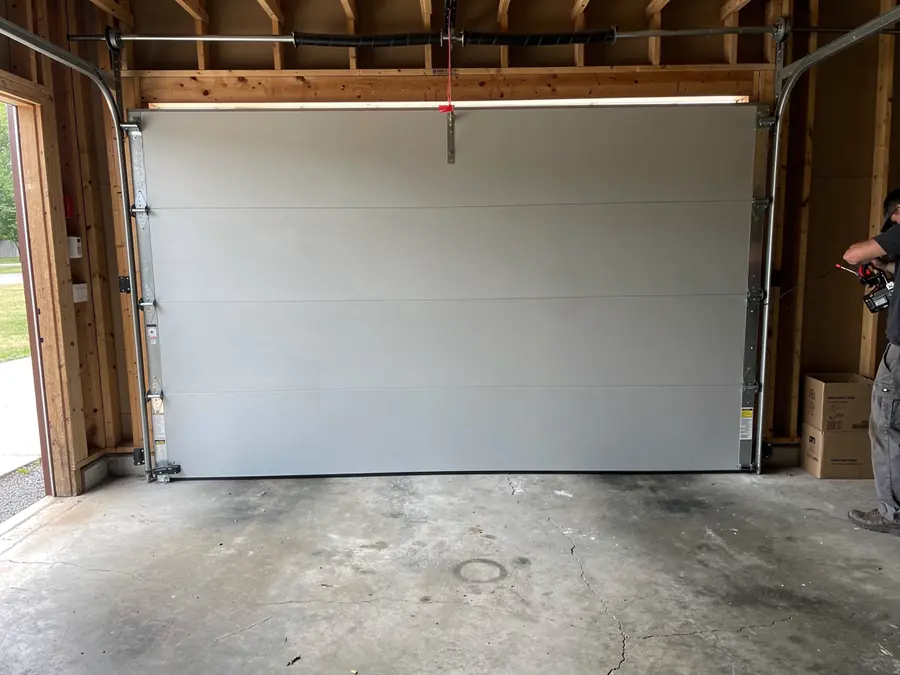
Household income in this part of the service area runs well above the wider Lakeland figure, which is part of why we see more requests here for the quieter belt-drive and smart-enabled units rather than the bare-minimum chain drive that gets specified in older, lower-turnover neighborhoods. We'll give you the number for your door and motor combination before anything gets unbolted, not after. One honest limit: we don't install openers on doors with cracked panels or bent track - fix the door first, or the new motor just inherits the old problem.
The area
Getting It Booked In
We run out of Lakeland, and Lakeland Highlands sits about 7 miles out, so a job here gets scheduled as a drive-out visit rather than a same-block stop. That's not a complaint, just how the route works - we tell you a window up front so you're not guessing. Because this isn't a walk-up service area with a storefront nearby, it helps to know your opener's brand and approximate age when you call, along with whether the door is single or double.
If the unit predates rolling-code technology, which is common for houses built in the mid-1980s, that alone tells us most of what we need before we ever see the garage. We'd rather ask two extra questions on the phone than show up with the wrong rail length or the wrong receiver for your door's photo-eye sensors.
What we find
What the Fix Involves
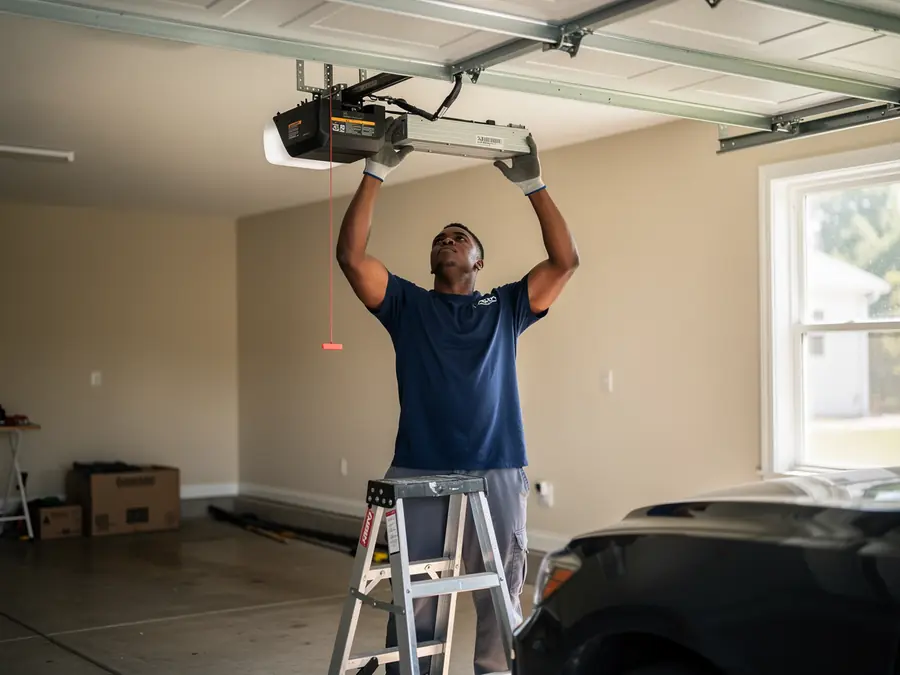
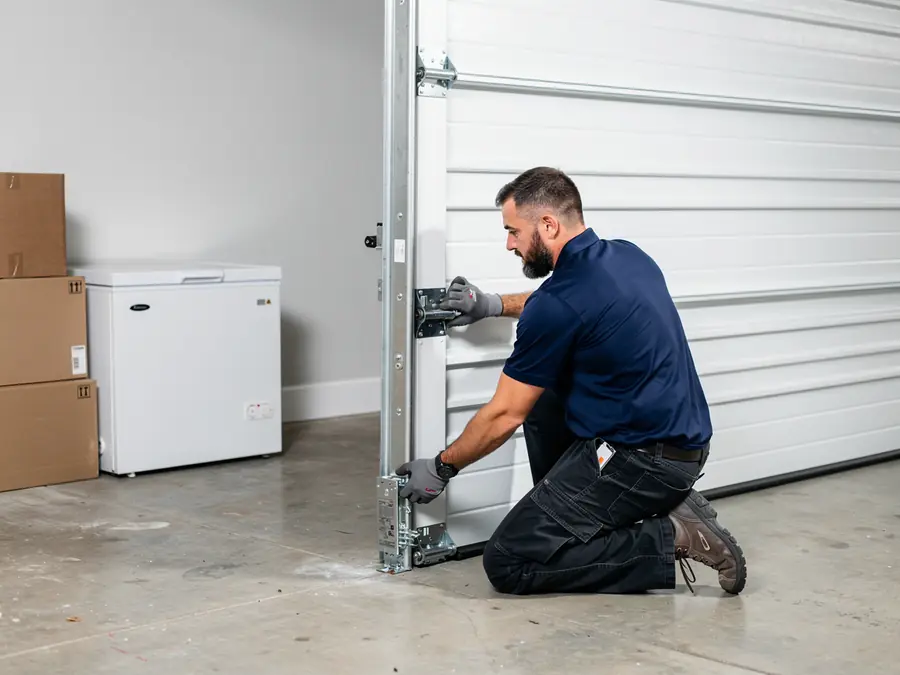
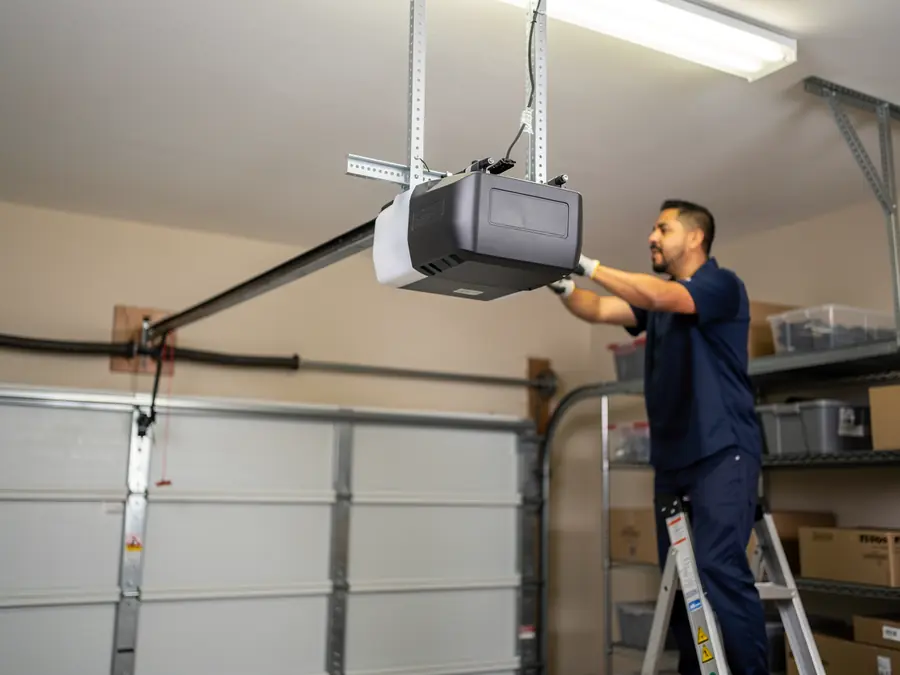
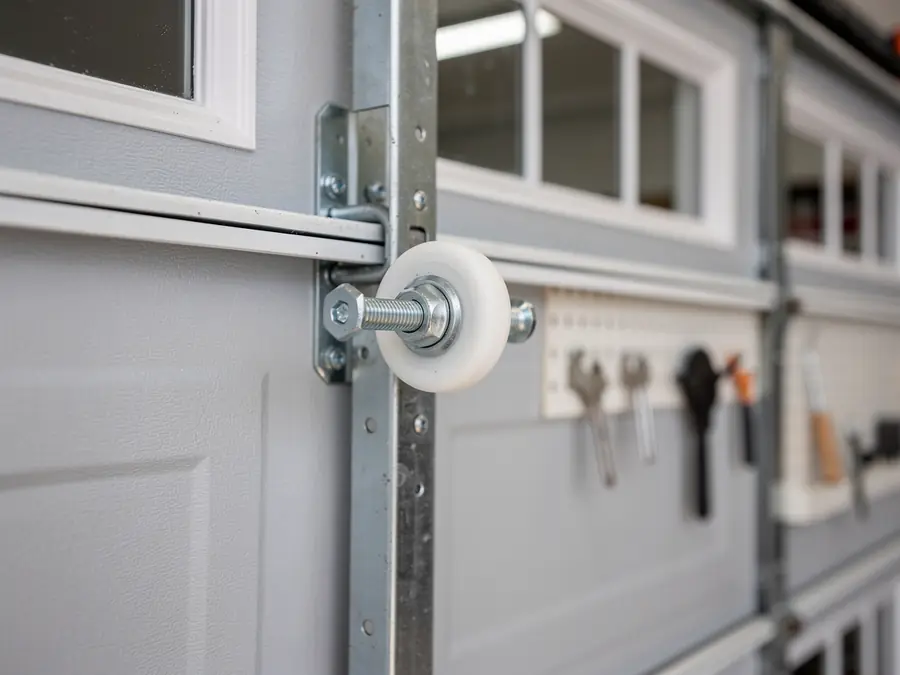
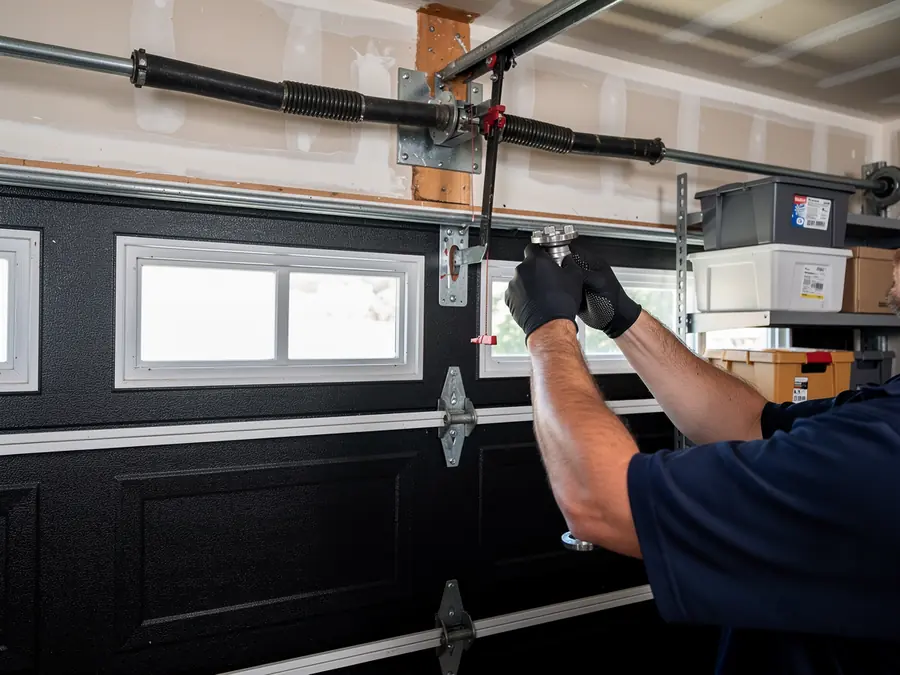
Swapping an opener on a house from this era usually means more than unplugging one motor and plugging in another. The header bracket, the arm, and the wiring harness on a late-1980s install were sized for the opener that shipped with the house, and a new unit - especially a belt drive with a different rail profile - often needs a new bracket position and fresh wiring to the wall control and safety sensors. We check the spring and cable setup while we're up there too, since an opener fighting an underpowered or overdue spring will burn itself out early no matter how good the motor is.
Expect the old unit removed, new mounting hardware set to the door's actual weight and balance, wiring run clean, and the safety reversal and photo-eye alignment tested before we call it done. We don't paper over a bad spring with a stronger motor - if the spring's the real problem, we say so.
How we work
The DIY Question
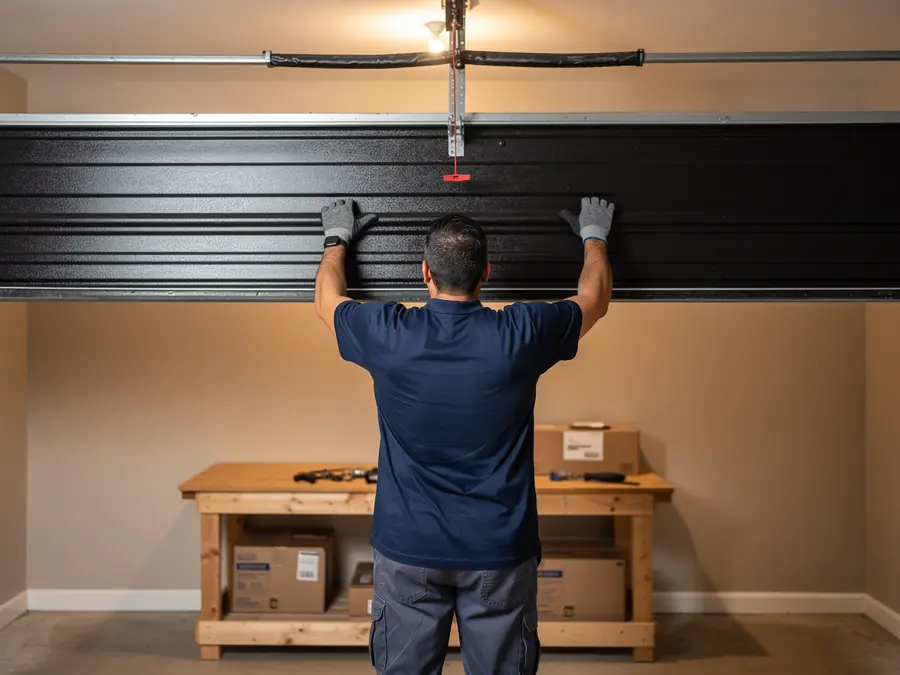
A lot of homeowners here are comfortable with tools and tempted to do this one themselves, and the box-store opener kits make it look simple. The part that trips people up isn't the wiring, it's the door balance underneath. On a house built in the 1986 range, the door and spring have usually never been touched since installation, and mounting a new opener onto a door that isn't balanced right just means the new motor does the work the spring should be doing - it'll run hot and wear out fast, sometimes within a year.
If you're set on doing it yourself, at minimum have someone check the spring tension and door balance first. If the door doesn't sit still, unsupported, in the half-open position, that's your answer.