Blog
What a Service Call Actually Covers in Lakeland
A look at what we actually check on a Lakeland service call, tied to the 1966-1999 housing stock and mild-but-humid local climate that shape most repairs here.
Doing Nothing For Now
Not every noisy door needs a truck. If the door still opens and closes on command and the only issue is a rattle or a slightly uneven roll, that's often a lubrication and alignment issue you can check yourself before booking anything. We'd rather tell you that than run a call for a five-minute fix. Most of the housing stock across the Lakeland area was built between 1966 and 1999, with a lot of it dating to the mid-1980s, which means a large share of doors and openers out there are original or on their second unit. If yours is in that window and running fine, waiting makes sense. Where we draw the line: if the door reverses randomly, drifts off track, or the opener grinds before it catches, that's not a wait-and-see situation, because a cable or spring failure on a door that age can let the panel drop. The honest answer is that a phone call to describe what you're hearing or seeing takes five minutes and tells you whether this is a today problem or a next-month problem.
What the Weather Here Does to It
Lakeland sits in a mild temperate band, not the freeze-thaw country that chews up hardware up north. That's good news for steel components, but the trade-off is humidity and heat cycling, which work on different parts: rubber weatherstripping dries and cracks faster, bottom seals lose their shape, and galvanized hardware on older torsion systems can develop surface corrosion where moisture sits against the bracket. We don't see the ice-related spring failures some regions deal with every January. What we do see is lubricant breaking down faster in summer heat and track alignment drifting as wood jambs on older homes swell and shrink with humidity. On a service call, that's part of why we check the seal and the track brackets even when the complaint is about something else entirely - in this climate those are the parts that fail quietly before the spring or cable gets the blame.
The Situation
Across the 25-plus named areas we work in - from Combee Settlement and Crystal Lake close in, out through Kathleen, Medulla, and Highland City, to Mulberry and Bartow further out - the housing is overwhelmingly 1980s and 90s construction, median build year around 1986. That means a lot of garage doors on their original torsion springs or their first replacement opener, now 25 to 40 years into service. A torsion spring is rated for a number of cycles, not a number of years, so a door used twice a day in a household that's been in the same home since the 80s is often right at or past where failure gets likely. With roughly 44,000 owner-occupied houses across the service area and median household income a bit under $60,000, most of the calls we run are repair-first, not replace-first - people want the existing door kept running as long as it reasonably can be, and for stock from this era that's usually possible.
What to Check
Before you call, look at four things. First, the springs above the door - if you see a gap in the coil or the door feels heavy to lift by hand with the opener disconnected, that's a spring issue, not an opener issue. Second, the bottom seal - in this climate it hardens and cracks faster than people expect, and a bad seal lets water and bugs in during the rainy season. Third, the track brackets, especially on homes from the 1970s-90s build era common here, where the wood jamb they're bolted to may have shifted slightly over the decades. Fourth, listen for grinding versus clicking from the opener - grinding usually means the gear is going, clicking usually means a chain or belt tension issue. One limitation worth saying plainly: if the door is original to a house built in the 1960s or 70s and the track system is non-standard width, parts can take longer to source than a same-day fix allows, and that's worth knowing before you expect a quick turnaround.
Questions
Common questions
How old does a garage door spring usually last in Lakeland?
It depends on cycles, not calendar years, but with so much of the local housing dating to the 1966-1999 build era, a lot of original springs are now well past typical service life. If your door was installed with the house and has never had the spring replaced, it's worth having it looked at even if it's still working.
Does Lakeland's climate affect garage doors much?
Not in the freeze-related way colder regions deal with, since this is a mild temperate band. The wear here shows up in rubber seals and weatherstripping breaking down from heat and humidity cycling, and in lubricant drying out faster than the maintenance schedule most doors ship with assumes.
My door is original to a house built in the 1980s - should I replace it?
Not automatically. A lot of doors from that era are solid if the spring and cable system has been maintained. We'd check the panel condition, the track alignment, and the hardware before recommending full replacement over a repair.
Recommendation
You Might Also Like
More garage door guides for Lakeland homeowners.
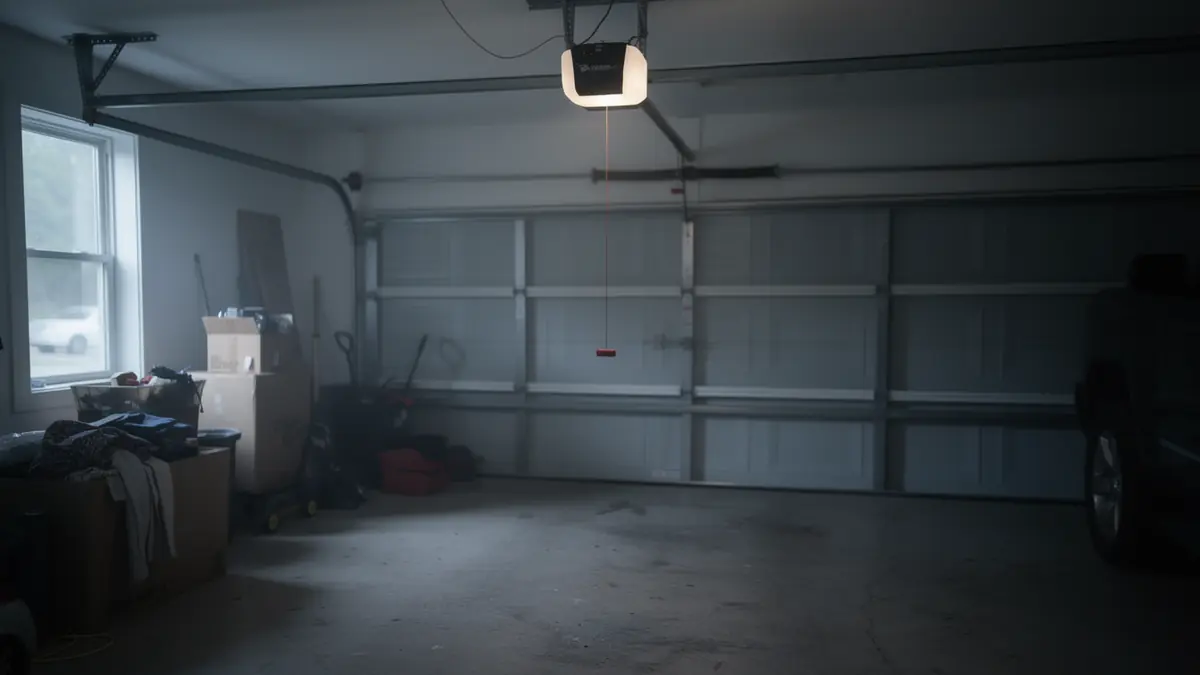 Weather Seals and Draughts on Lakeland Garage Doors
How Lakeland's mild climate and 1966-1999 housing stock affect garage door seals, and what draughts around the panel actually mean for your door.
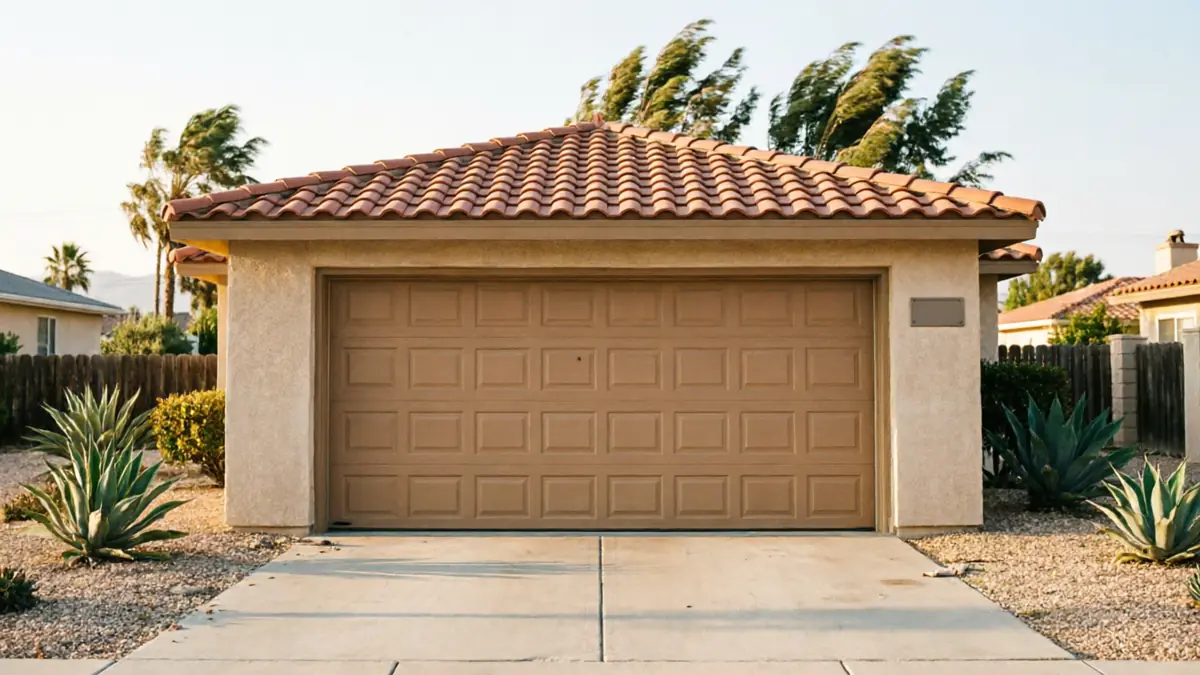 Why a Garage Door Goes Off Track in Lakeland
Lakeland's 1980s-era housing and mild climate mean off-track doors here usually come from worn rollers or a bent rail, not weather.
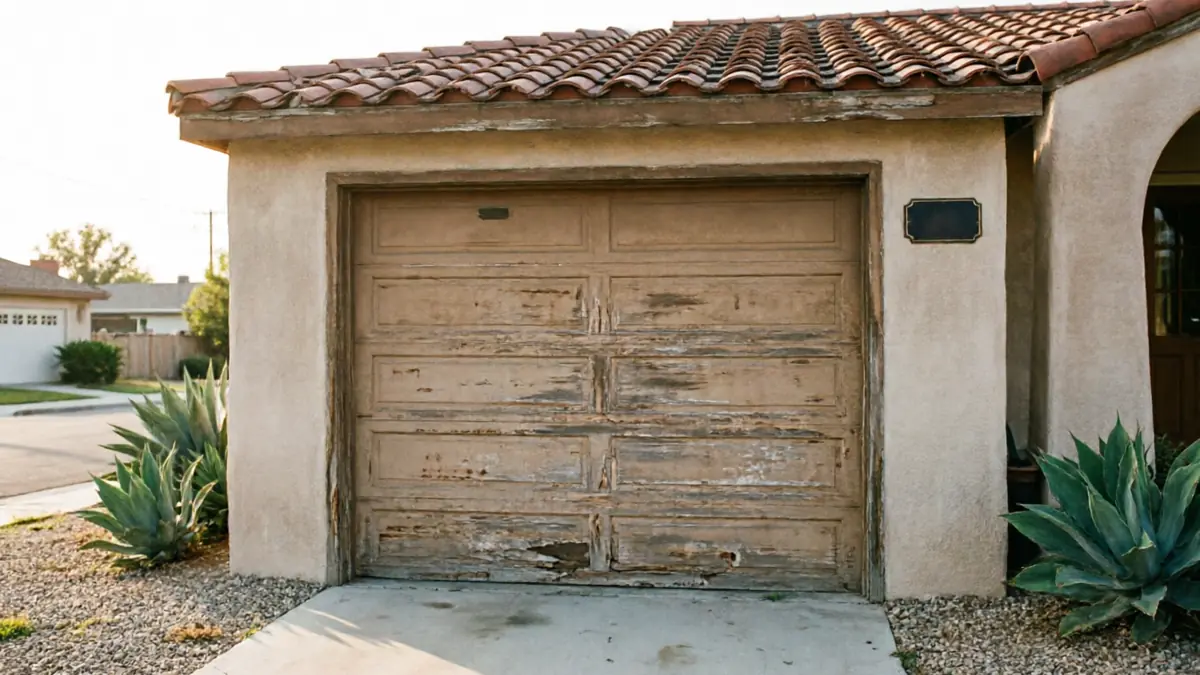 The Garage Door Your Lakeland House Came With
Lakeland homes built 1966-1999 often have garage doors with no insulation layer at all.
Ready when you are
Need a garage door sorted in Lakeland?
Lakeland Garage Door Co repairs and installs garage doors, springs and openers in Lakeland, FL and the surrounding area.