
Truing track adds time
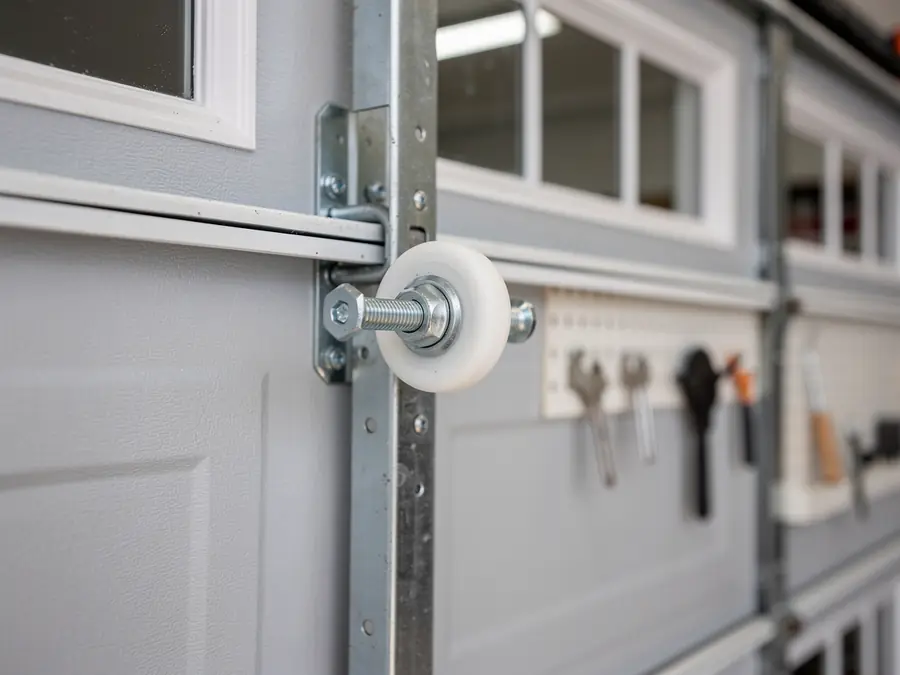
If a bracket's bent or a section needs re-aligning because a roller's been grinding against the jamb, that adds time, since we have to true up the track before the new roller will ride smooth.
 Lakeland, FL
Highland City, Lakeland
Highland City homes mostly went up by 1999, later than most of our service area. That build year changes which rollers fail and when. Serving from Lakeland, 8 miles away.
The repair
Most of the houses we work on across this service area sit on a median build year of 1986, but Highland City skews newer - its homes cluster right around 1999.
That's a real gap. Doors built in the late 90s came standard with steel rollers on nylon or plastic wheel bodies, not the older all-steel rollers you'll find on a 1970s door elsewhere in the county.
The failure pattern is different too: instead of rust-frozen steel wheels, we're usually pulling worn nylon rollers with cracked bushings or stems that have sheared off from years of opener strain. The job itself is the same basic process no matter the hardware generation.
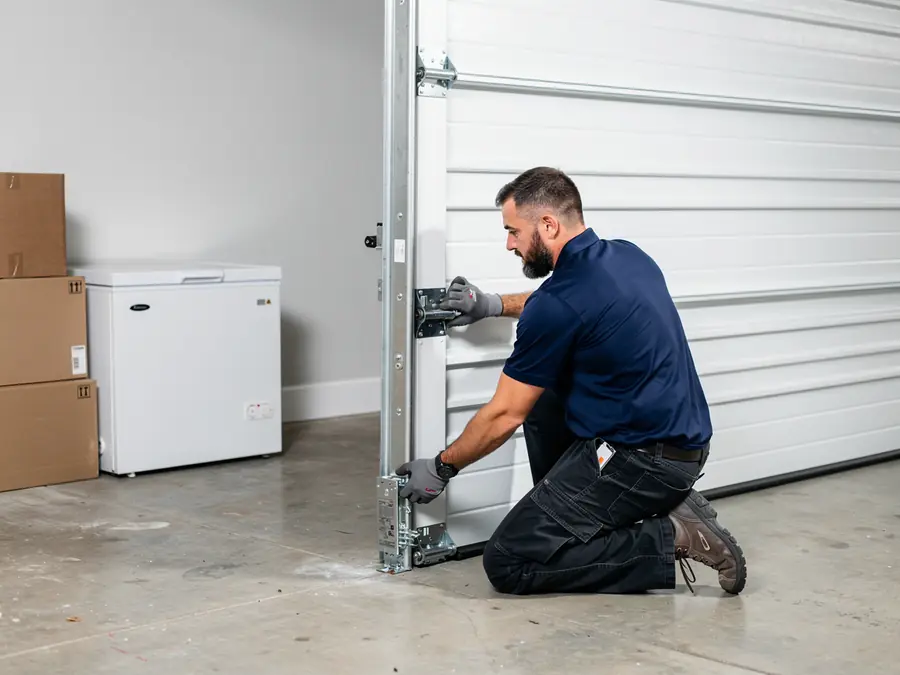
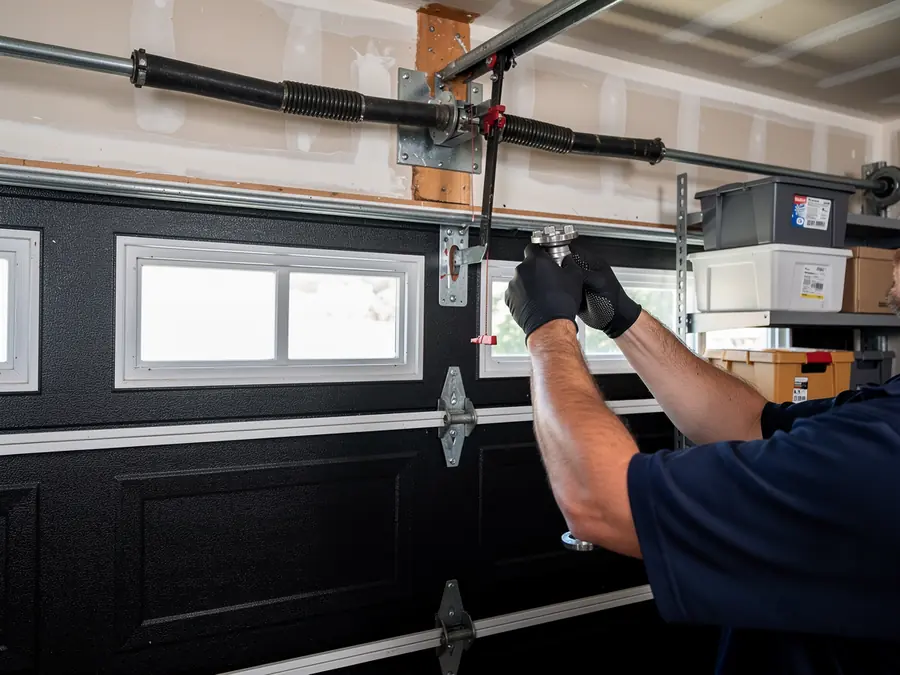
We pull the old rollers out of the track one at a time, working from the bottom section up, check the track alignment while we're in there, and set new rollers - usually nylon with sealed bearings, since that's what holds up best on a door this age without adding noise.
If a bracket is bent or a hinge is stripped out from the old roller riding rough, we swap that piece too rather than force a new roller into a bad bracket. We don't touch torsion springs or cables unless they're also showing wear, and we'll tell you plainly if they are. Rollers are a contained job - we're not opening up the whole system unless something else in the track is failing alongside them.
Job timing
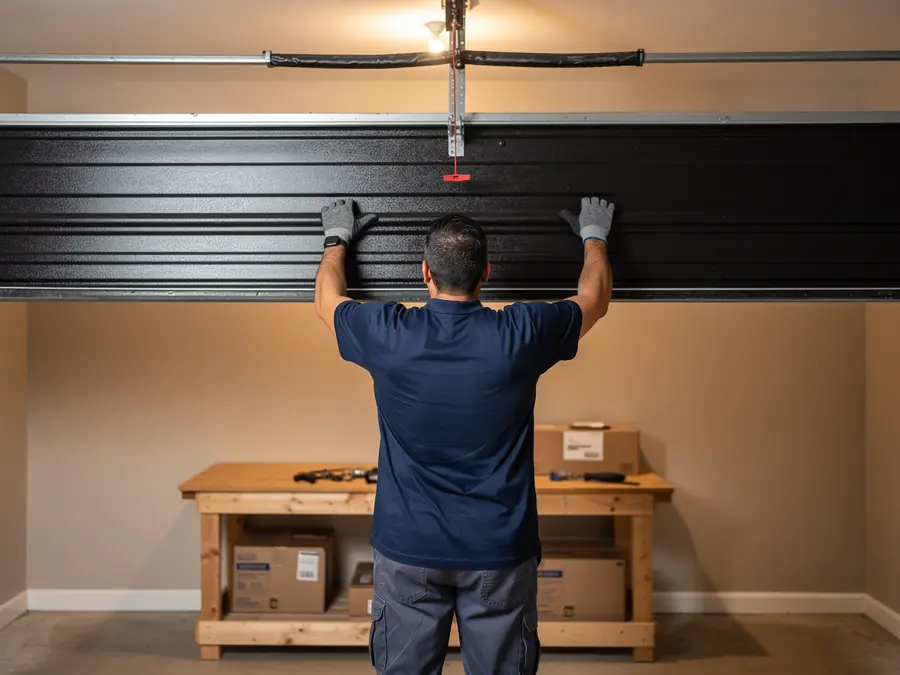
A full roller set on a standard double door, with no track or bracket damage, runs about the time you'd expect for ten to twelve rollers pulled and reset one side at a time - we're not rushing a job that depends on getting each roller square in the track.
If a bracket's bent or a section needs re-aligning because a roller's been grinding against the jamb, that adds time, since we have to true up the track before the new roller will ride smooth.
Because Highland City's stock is newer than most of the areas we cover, we're less often dealing with the frozen, rusted-in rollers that take extra time to knock loose on an older door. Nylon rollers from this era usually come out clean once the hinge pin is pulled, which keeps the job closer to the shorter end of the range.
We travel out from Lakeland for every call here - it's about 8 miles - so plan on that travel time factoring into when we can get on site, not into how long the actual roller work takes once a truck arrives.
Pricing
We don't have a posted price for roller replacement broken out by job size, so we won't put a number here that we can't stand behind.
What we can tell you is what drives the cost: how many rollers need replacing, whether it's a full set or just the two or three that failed first, whether a bracket or hinge needs to come with it, and whether you want standard nylon or the quieter sealed-bearing kind.
Highland City's median household income runs well above the service-area average - $88,628 here against $59,346 across the wider area - and we mention that only because it's part of why we see more homeowners here asking for the sealed-bearing upgrade over the basic roller when we quote the job.
It's not a required upgrade, just a common request. Ask for a firm number before we start, not after. We'll look at the door, tell you what's actually worn, and quote the job in front of you.
DIY or pro
Swapping a single roller on a door that's unplugged and fully down isn't the hardest job in a garage, and plenty of homeowners do it.
The part that gets people hurt is the bottom bracket on either side of the door - it's holding cable under tension, and loosening the wrong bolt on that bracket can let a cable snap loose fast. If your roller problem is on a bottom panel, that's where we'd tell you to stop and call rather than push through.
Mid-panel rollers are more forgiving. Pull the hinge pin, slide the old roller out, slide the new one in, reset the pin. That's a reasonable weekend job if the door is otherwise healthy and you're comfortable on a ladder.
Where it stops being a DIY job: if the track itself is bent, if more than a couple rollers are gone and the door is riding rough on all of them, or if you're not sure which bracket is under spring tension and which isn't. We'd rather get a call for a job that turns out to be simple than have someone guess wrong on a bottom bracket.
Local causes
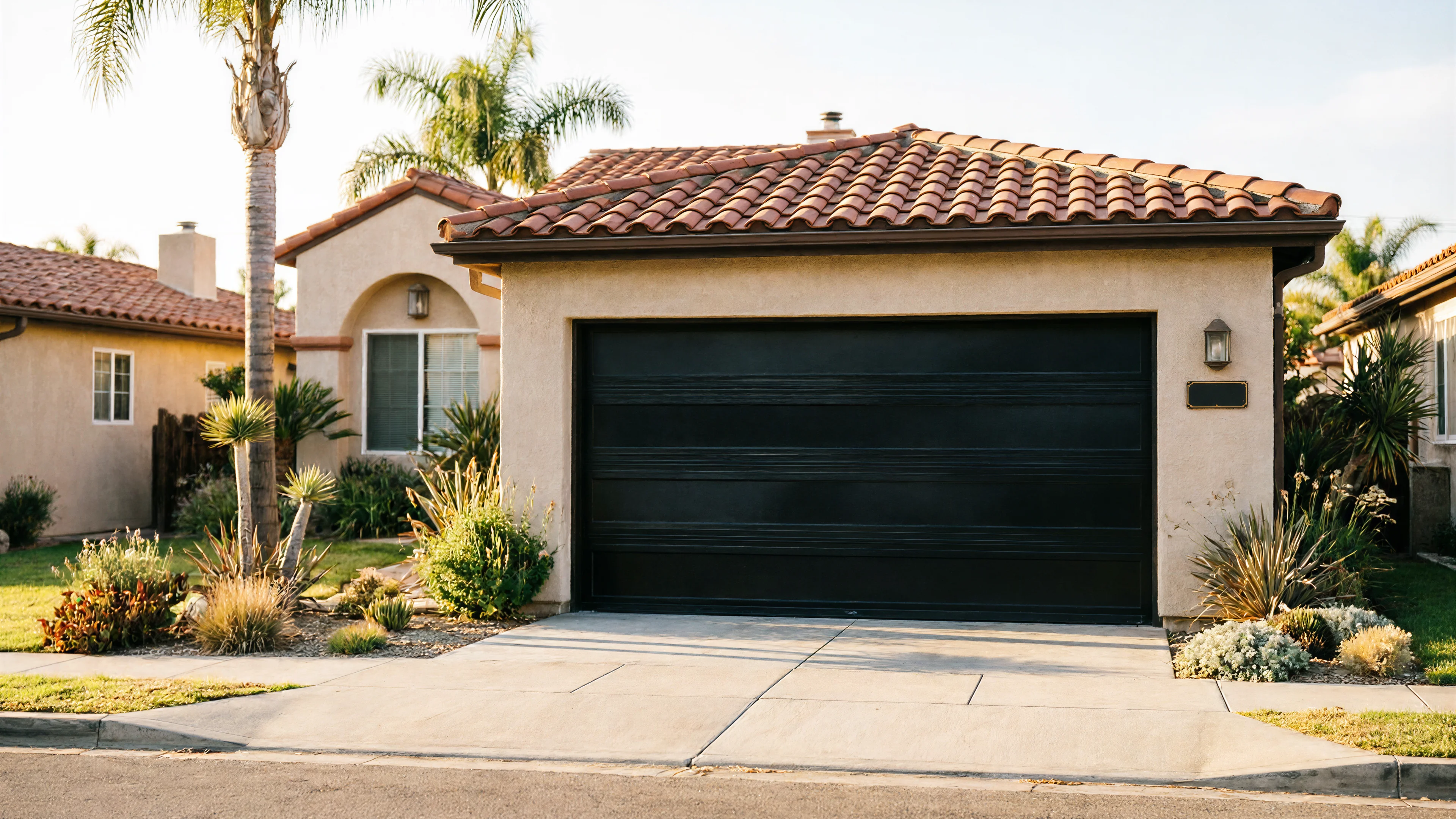
Highland City's homes mostly date to around 1999 - later than the 1986 median across the rest of the area we cover - which means the original garage doors here are closer to 25 years old rather than 35 or 40. That's old enough for factory rollers to be well past their service life, but it also means we're rarely pulling the heavy all-steel rollers that show up on older stock elsewhere.
The area sits in a mild temperate climate band, so we're not fighting the freeze-thaw cracking that ages rollers fast in colder regions. What wears these rollers out instead is just cycle count - years of daily opener use on a nylon wheel that was never built to outlast the door itself. With roughly 4,333 households in Highland City, most built in that same late-90s window, the rollers in a lot of these garages are hitting end of life around the same stretch of years, which is why we get a steady run of these calls out here rather than one-off emergencies.
Questions
Mostly in what they're made of. Highland City homes run newer, built around 1999 versus the 1986 median across the wider service area, so original doors here usually have nylon-wheeled rollers rather than the all-steel rollers common on older 1970s and 80s stock. Nylon wears differently - cracked bushings and sheared stems instead of rust-frozen wheels.
No. We're based in Lakeland and drive out to Highland City for every job, about 8 miles each way. There's no local depot or satellite crew here - it's the same Lakeland truck and crew that cover the rest of the service area.
Yes, if the rest are still in decent shape. We'll check all of them while we're there and tell you honestly if the others are close behind. Replacing one now and the rest in a year isn't unusual, but if most are worn, doing the full set in one visit usually costs less than two separate calls.
Often, yes, if the noise is a grinding or squeaking sound tied to the roller riding rough in the track. If the noise is more of a bang or thud, that's more likely the spring system or hardware, not the rollers, and swapping rollers alone won't fix it.
Explore more
Ready when you are
Lakeland Garage Door Co repairs and installs garage doors, springs and openers in Lakeland, FL and the surrounding area.