Lost safety-reversal circuit
A door that opens fine but won't close unless you hold the wall button down has lost its safety-reversal circuit, which on a builder-grade 1990 opener probably isn't present or working in the first place.
 Lakeland, FL
Kathleen, Lakeland
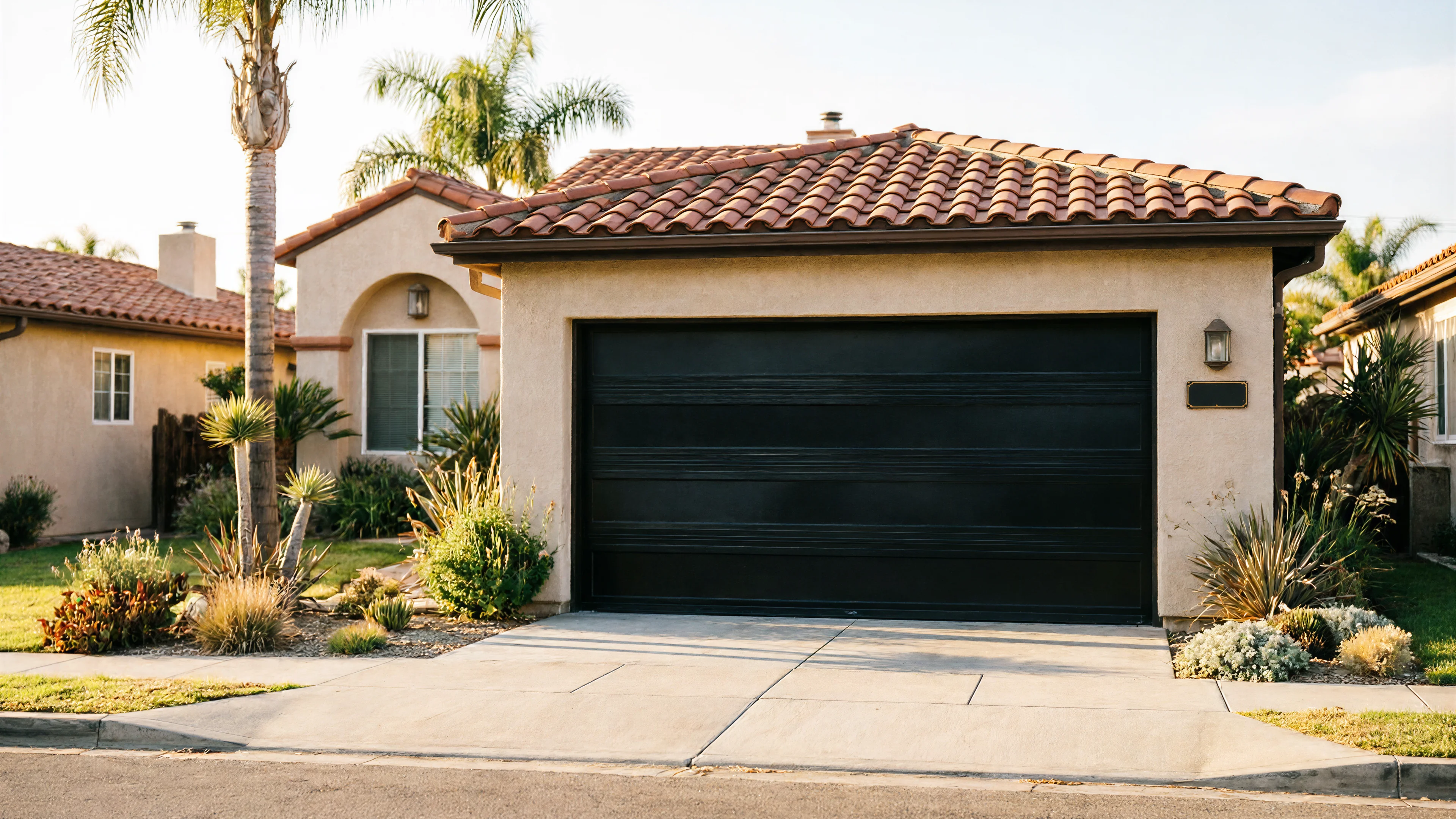
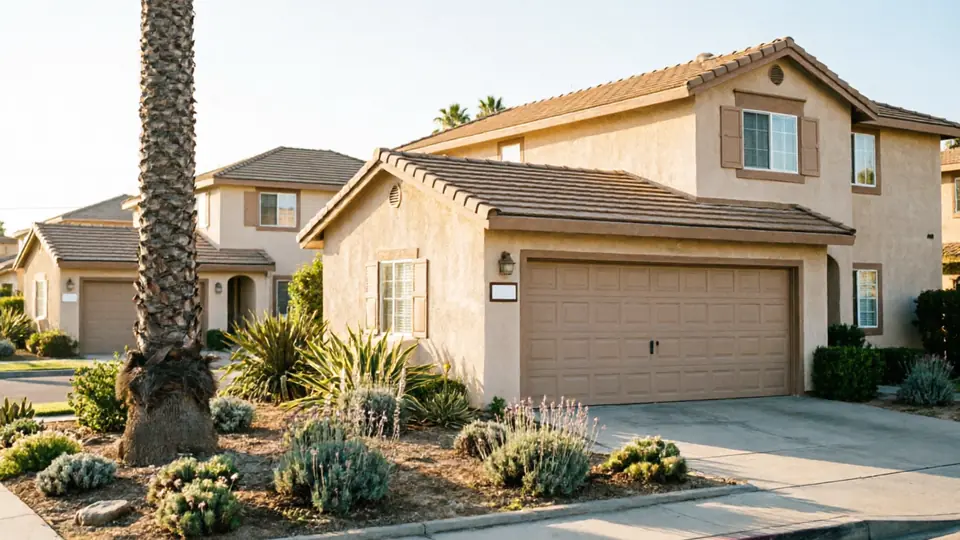
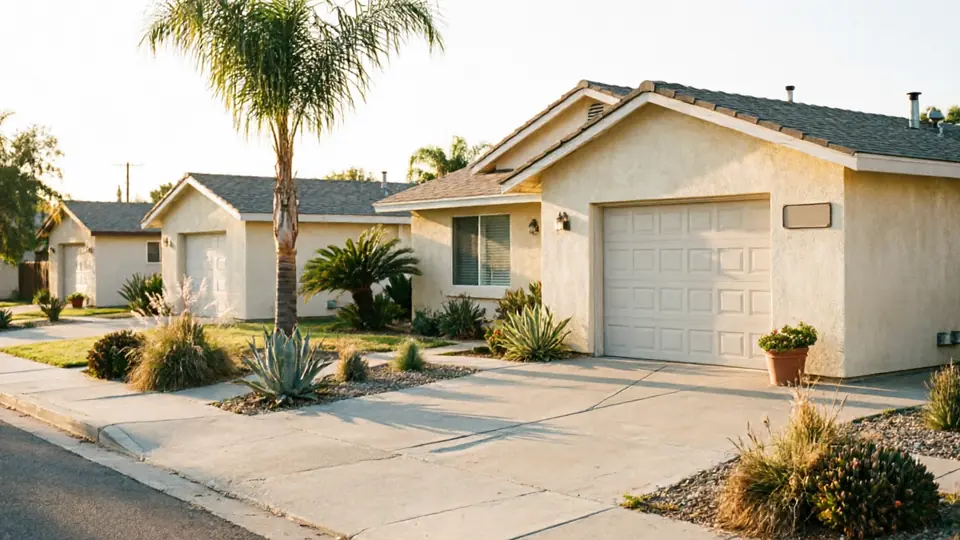
Kathleen's houses mostly went up around 1990, late in the county's building boom, which means older chain-drive openers and single-spring brackets. We install from our Lakeland shop, 7 miles out.
Watch-outs
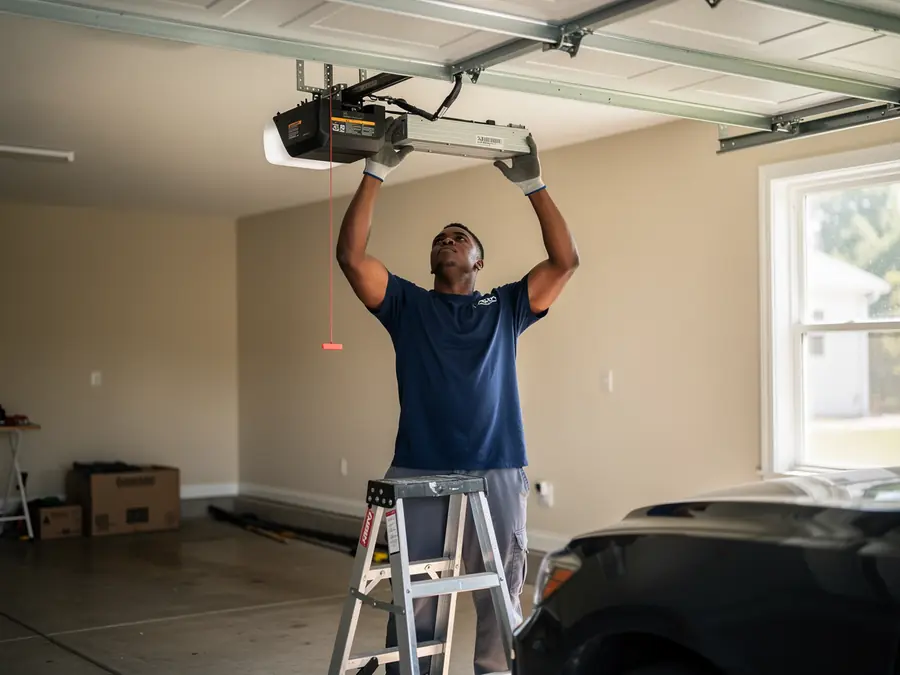
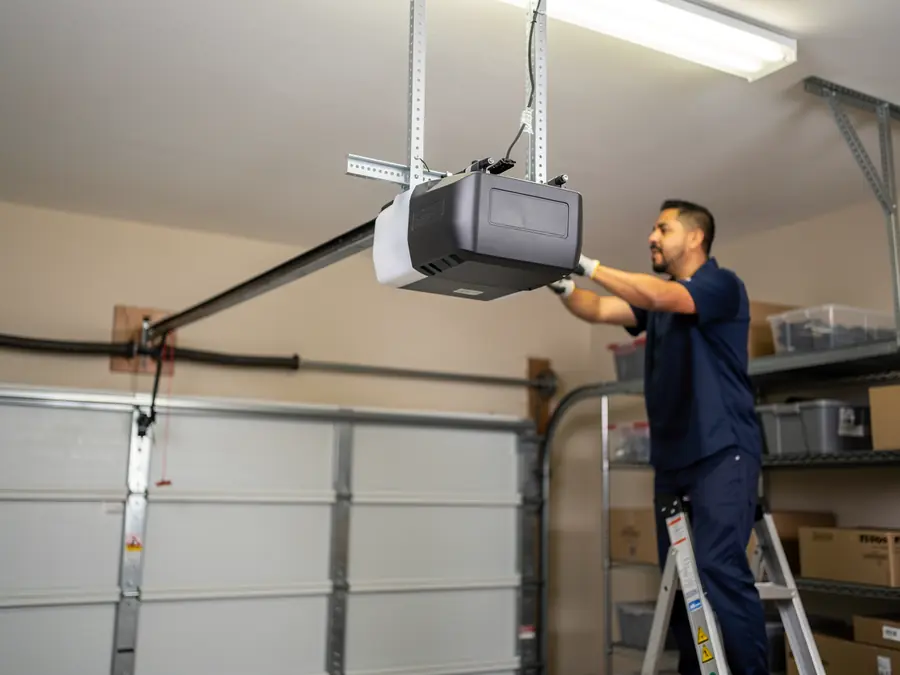
A house built around 1990 in Kathleen usually shipped with a builder-grade chain-drive opener, somewhere in the half-horsepower range, wired straight to a single wall button with no keypad and no safety-reversal sensors required by code until a few years later. Thirty-plus years on, the gearing wears down to a grinding whine, the capacitor in the motor starts to fail on hot starts, and the logic board that controls the up-down cycle just quits mid-travel. We also see the opposite problem: homeowners who already swapped in a newer unit but left the original builder's bracket and rail, which were sized for the lighter steel doors common on these houses and don't always take a stronger opener without reinforcement. Either way, the fix isn't just bolting on new equipment - it's checking what the door and track can actually carry before the opener goes on.
Local causes
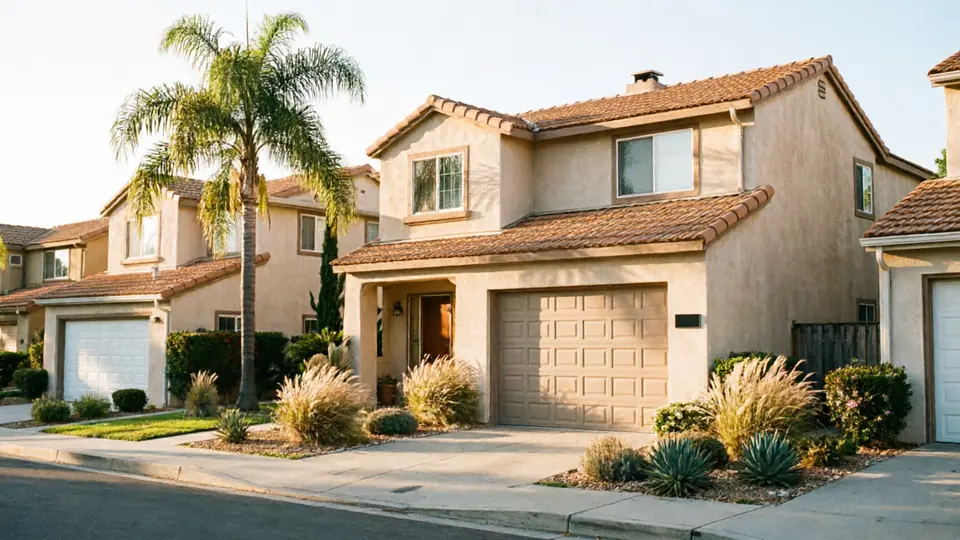
Kathleen's housing stock sits late in the broader service area's 1966-to-1999 build window, which runs through a lot of neighborhoods with a median closer to the mid-1980s. Houses going up here closer to 1990 means openers from that exact era: chain drives, no battery backup, minimal safety sensors, and brackets sized to the lighter doors that were standard then. A house built ten years earlier might have a different spring configuration entirely, and a house built ten years later would already have the photo-eye sensors federal law required by 1993. That narrow band matters because it tells us what's actually bolted to your ceiling before we show up with a new unit.
Warning signs
If the opener strains, chatters, or reverses on the way down without hitting anything, that's usually the force settings drifting out of range on an old mechanical unit - not something you can just dial back and trust.
A door that opens fine but won't close unless you hold the wall button down has lost its safety-reversal circuit, which on a builder-grade 1990 opener probably isn't present or working in the first place.
Dead silence when you hit the remote, paired with a working wall button, usually means a fried logic board or a remote that's outlived its battery and its manufacturer.
None of these are reasons to force the door by hand repeatedly - that's how a cable jumps the drum or a track pulls loose from the jamb.
DIY or pro
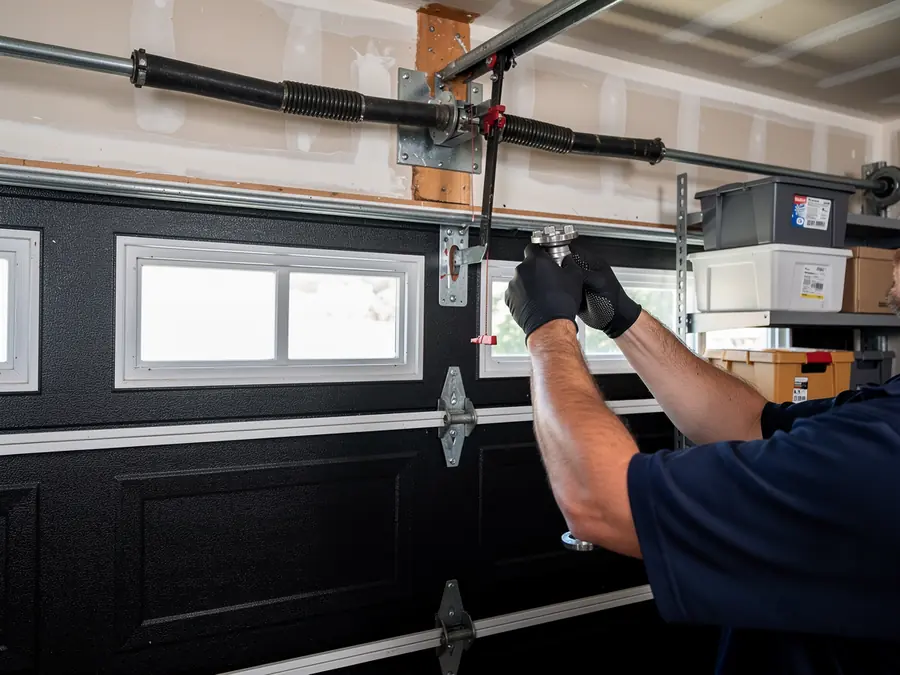
Swapping a wall button or reprogramming a remote is reasonable weekend work. Installing the opener itself is not, mainly because of what's upstream of it: torsion springs under load, a header bracket that has to hold the full weight of the door on its own, and wiring that needs to interrupt correctly if something gets in the door's path. We'll say plainly that a straightforward swap - same mounting points, same door weight, no reinforcement needed - doesn't always require a truck. But on a house from this era, the rail and bracket are old enough that we won't know what we're dealing with until we're standing under it, and guessing wrong with a spring-loaded door is how people get hurt.
Booking
We run the Kathleen job out of the Lakeland shop, seven miles up the road, so when you call we're scheduling drive time into the quote, not pretending we're already around the corner.
Tell us the age of the house and whether the opener has ever been replaced - on a 1990-built home that's usually the deciding factor in whether we're swapping a motor head or redoing the bracket and rail too.
We'll ask about the door itself as well, since a tired opener straining against a door that's gone heavy or warped isn't really an opener problem.
Pricing
We don't have a posted price for this one - opener cost swings too much on horsepower, drive type, and whether your existing bracket and rail need replacing alongside it, especially on an older house where that's common. What we can tell you is that a straight motor-head swap onto working rail and bracket costs less than a full opener-and-hardware replacement, and we'll tell you up front which one your door actually needs rather than defaulting to the bigger job.
Questions
On a house built around 1990, probably yes if it's the original unit - parts for openers that old are hard to source and the logic boards aren't made anymore. We'll check it, but most of the time replacement ends up cheaper than chasing parts for a thirty-year-old motor.
Depends on what's there. Builder-grade installs from Kathleen's main construction era used lighter brackets sized for the door weight of that time. If your door hasn't changed, the old bracket may hold. We check load and rail condition before quoting, not after.
About seven miles from our Lakeland location. We factor that drive into scheduling and the quote rather than treating it as a surprise add-on once we arrive.
Usually, yes, but it depends on whether the existing wiring and door hardware can support it. A 1990-era setup sometimes needs a new wall run or a bracket upgrade alongside the opener itself, which we'll flag before starting.
Explore more
Ready when you are
Lakeland Garage Door Co repairs and installs garage doors, springs and openers in Lakeland, FL and the surrounding area.