
Track gauge mismatch
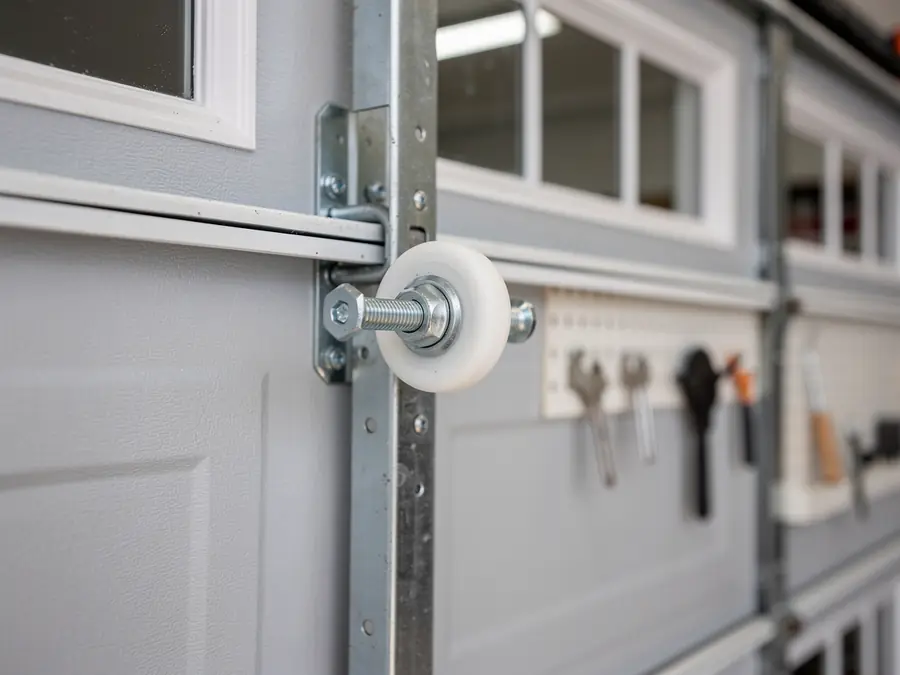
Tracks on these older installs are often the narrower gauge sold at the time, which doesn't match the rollers that come standard on new doors.
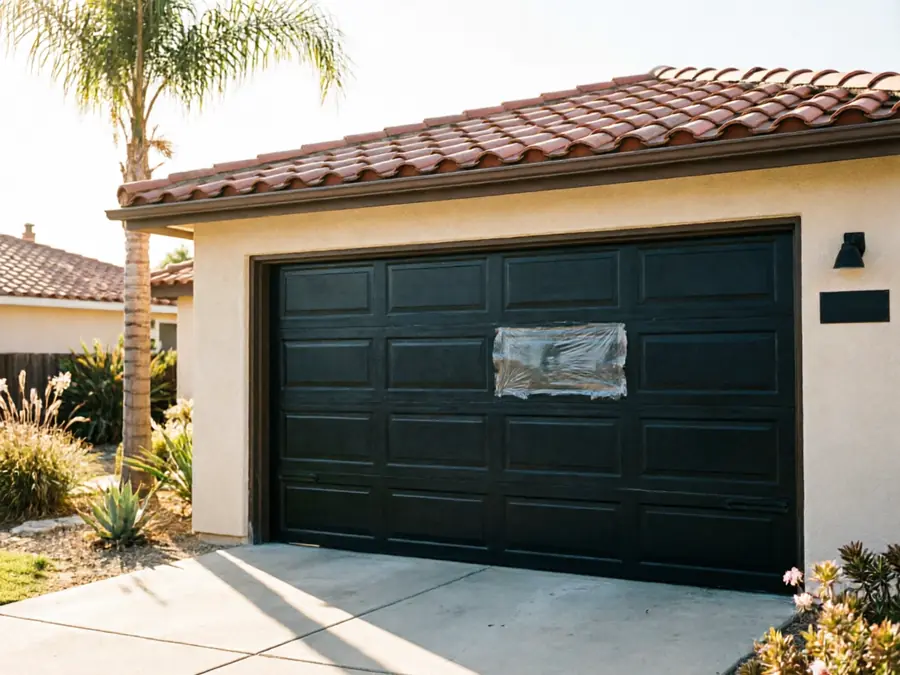 Lakeland, FL
Crystal Lake, Lakeland
Crystal Lake has about 1,930 households and a median build year of 1975 - older framing than most of the Lakeland area. We install doors sized for that stock, from 4 miles away.
Local causes
Crystal Lake is a small pocket, around 1,930 households, which means the installs we run out here are mostly one-off replacements rather than a string of identical jobs on one street. The housing stock sets the real pattern: the median year built is 1975, noticeably older than the 1986 median across the wider Lakeland service area. That ten-year gap matters on a garage door. Openings built in the mid-70s were often framed a few inches narrower or shorter than what current steel and insulated doors assume as standard, and the original wood jambs have usually shifted or softened by now. When a homeowner here calls for a new door, the first question isn't style, it's whether the opening still reads as a standard size or needs the frame built out or trimmed to take a modern door without gaps. We're four miles from our Lakeland base, so getting a crew out to measure doesn't add a scheduling headache, but the measuring itself takes longer here than it does on newer stock.
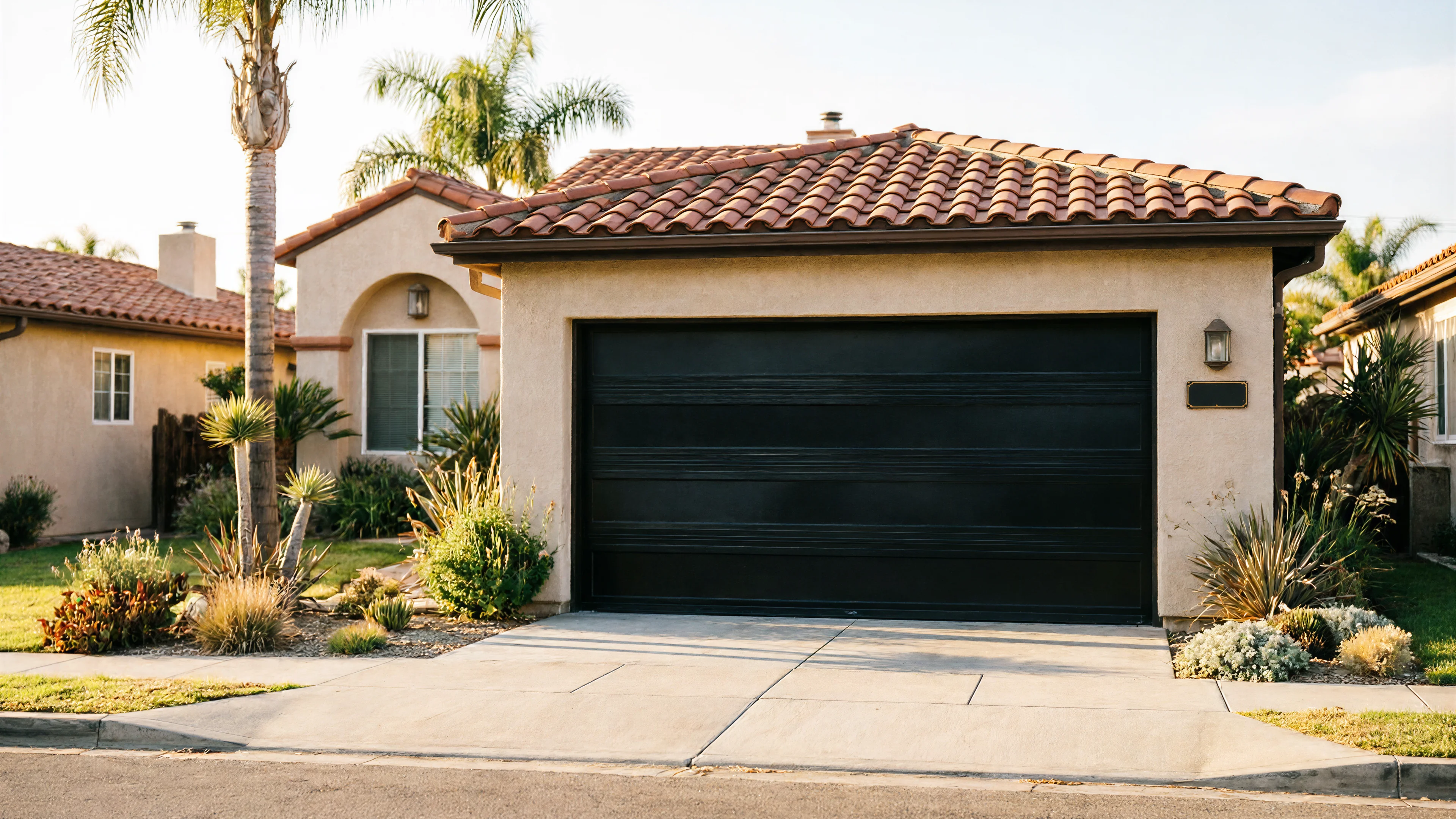
Warning signs
If your door is original to a mid-1970s build, you're likely dealing with a steel door that's thinned out from four decades of Florida humidity, or a single-layer panel with no insulation that's warped slightly out of square.
Tracks on these older installs are often the narrower gauge sold at the time, which doesn't match the rollers that come standard on new doors.
Homeowners usually notice it as a door that looks fine closed but binds or drags partway through the cycle, or a gap at the bottom corner that wasn't there when the house was newer. None of that is really an opener problem, it's the door and track geometry no longer matching each other.
Job timing
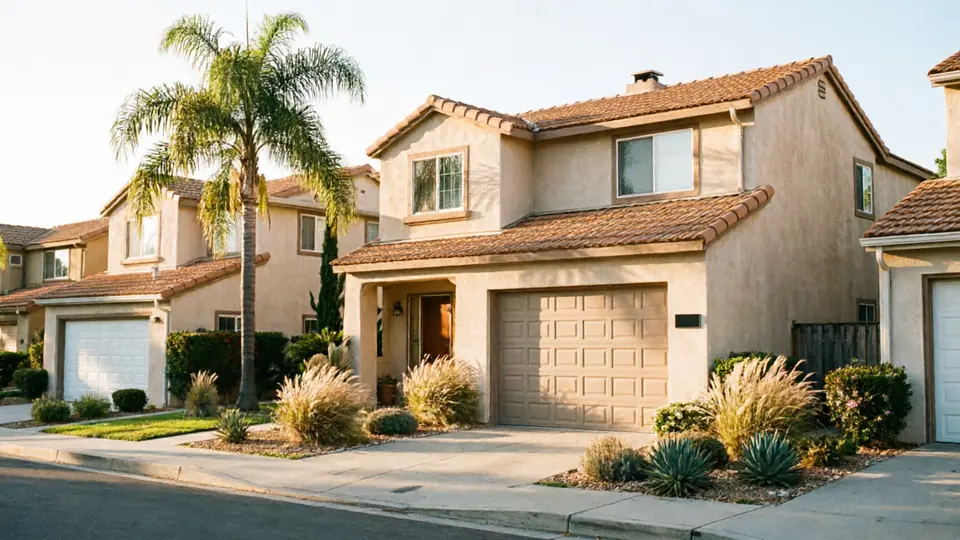
A straight swap, where the existing opening is square and standard-sized, is a shorter job than one where the 1975-era frame needs correction. We won't give you a number here that isn't backed by a look at the actual opening, because the two scenarios aren't close in time or cost. What we can tell you is that the older the frame, the more likely we spend part of the visit on carpentry and leveling before the new door ever goes up, not because the crew is slow but because the opening has had fifty years to settle.
The repair
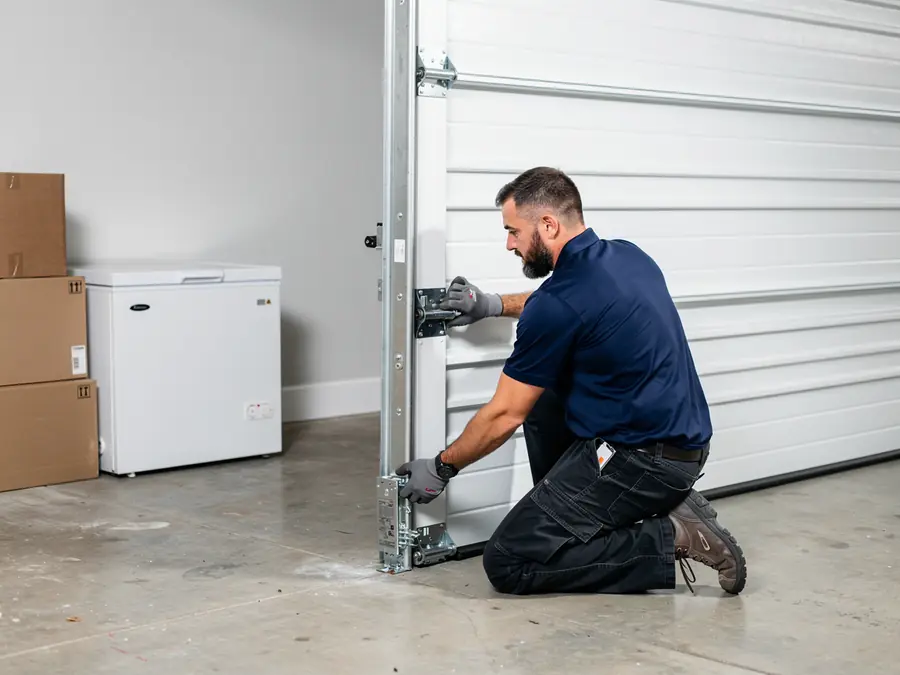
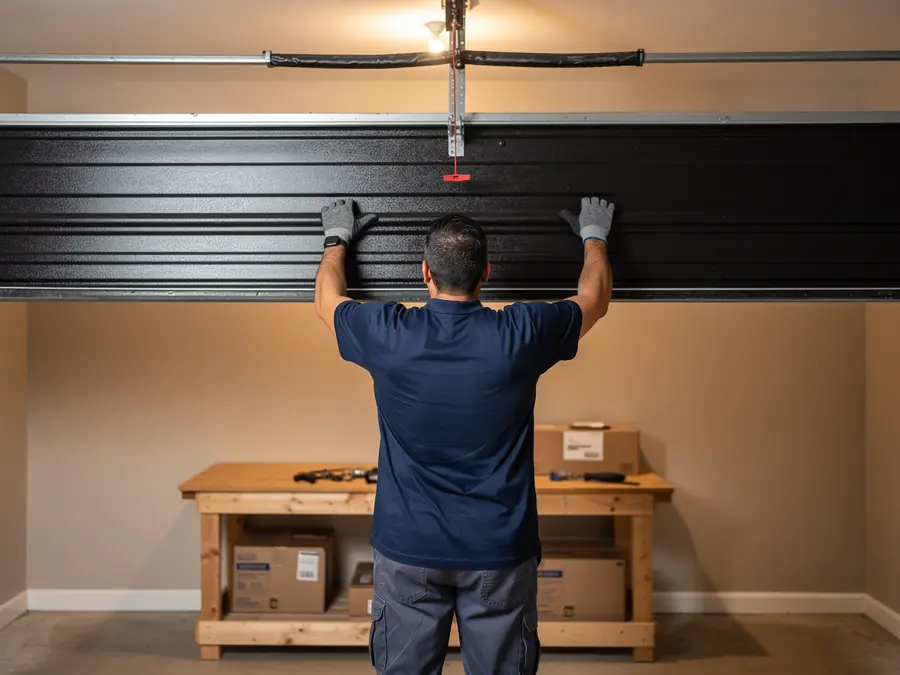
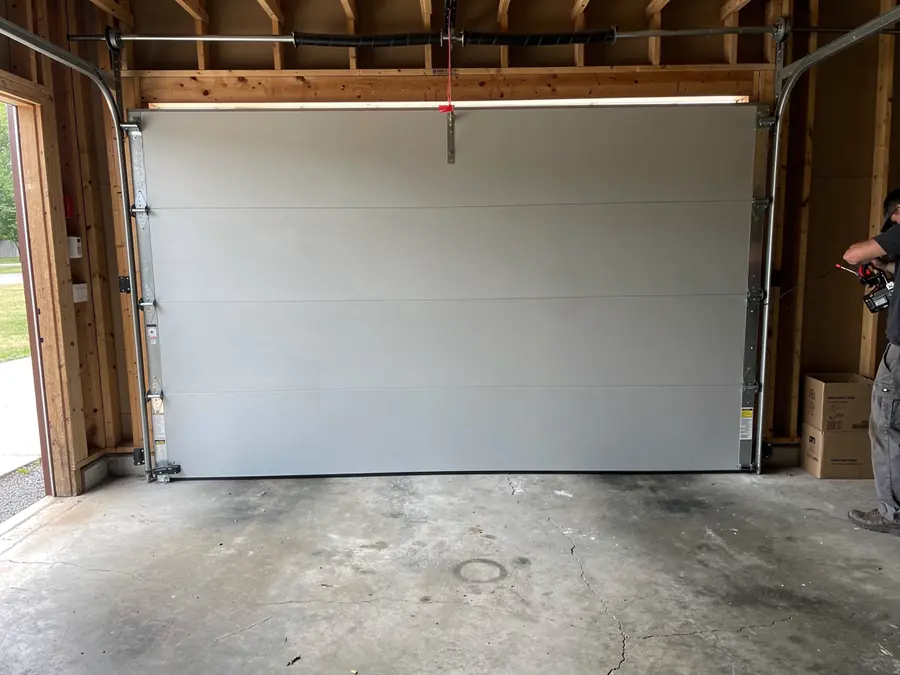
Installation starts with pulling the old door and track, then checking the jambs and header for square against a standard modern opening.
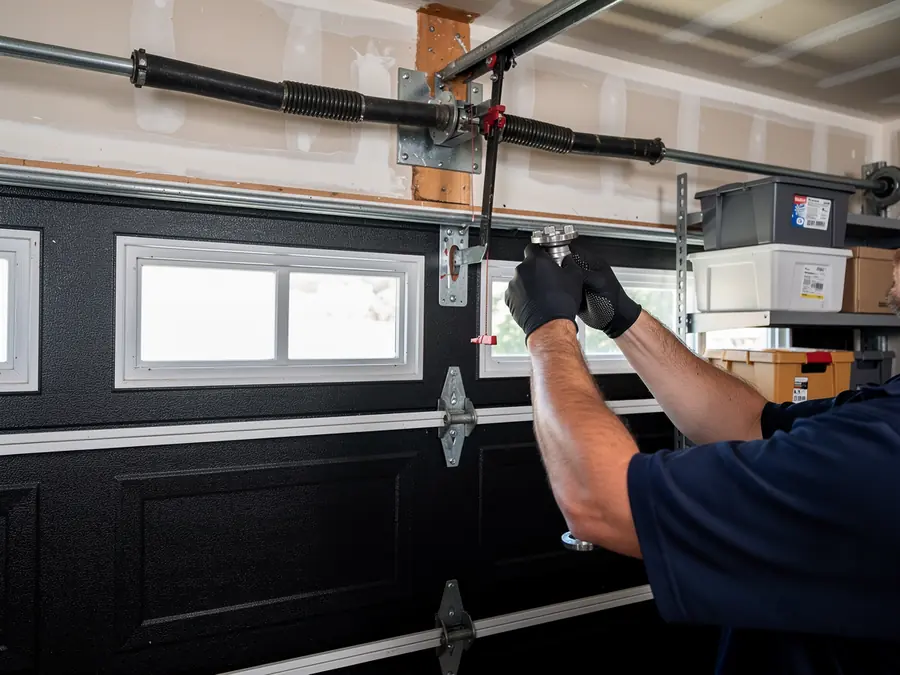
If the frame has shifted, as it often has on 1975-built homes, we shim or rebuild the stop before the new track goes in. From there it's new track, new rollers sized to match, the door itself, and a spring set sized to the door's actual weight, which varies more than people expect between an insulated and a non-insulated panel.
Crystal Lake's mild climate (no extreme freeze-thaw cycle to fight) means we're not building in cold-weather seals the way installers further north would, but humidity still argues for galvanized hardware over anything that will pit in a few seasons.
Watch-outs
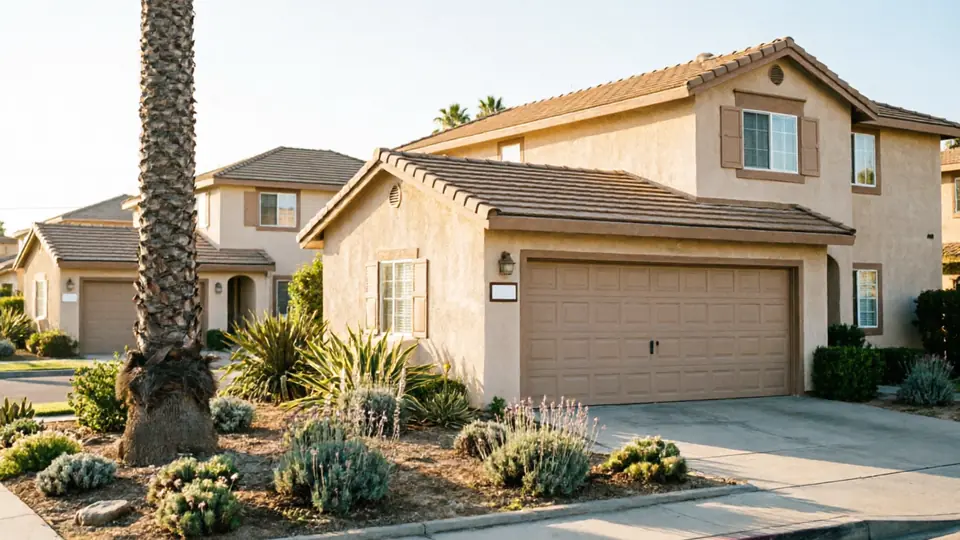
The most common surprise on older openings is finding the header isn't level once the old track comes down, which means a job we quoted as a same-day swap turns into one with a half-day of carpentry added. We tell people this up front rather than discover it mid-install. One honest limitation: if the opening is badly out of square or the framing is compromised, a straight door swap isn't the right fix, and we'll say so rather than hang a new door on a frame that will just fight it again in a year. That's a bigger repair, not an install, and we'd rather tell you that at the estimate than after the door's up.
Questions
Sometimes, but not always. Crystal Lake's median build year is 1975, and openings from that era are often sized a few inches off from today's standard doors. We measure before quoting so you know whether it's a straight swap or needs frame adjustment.
No, we run out of Lakeland and cover Crystal Lake from there, about 4 miles away. There's no branch location here, just a crew that comes to you for the measure and the install.
The area sits in a mild temperate band without hard freezes, so we're not adding cold-weather seals the way a northern install would. Humidity is still the bigger factor, which is why we lean on galvanized hardware regardless of door style.
Explore more
Ready when you are
Lakeland Garage Door Co repairs and installs garage doors, springs and openers in Lakeland, FL and the surrounding area.